Are you dreaming about a second home near Chautauqua Institution, but wondering whether buying here works more like a lake retreat, a village home, or something in between? That question matters because this market has its own rhythm, rules, and practical tradeoffs. If you are considering a purchase near the Institution, you need more than a general vacation-home checklist. You need a clear picture of how location, access, parking, seasonality, and rental rules shape ownership here. Let’s dive in.
Why this market feels different
Buying near Chautauqua Institution is not the same as buying in a typical lake community. The Institution is a 750-acre not-for-profit community on Chautauqua Lake, and its nine-week summer season drives much of the local ownership experience. On a typical summer day, about 7,500 people are in residence, and more than 100,000 people attend scheduled public events each year.
That seasonal concentration changes how homes are used and valued. During summer, the grounds are busier, access is more controlled, and rental activity tends to be most active. If you want a second home that supports both personal enjoyment and possible seasonal use, it helps to understand that this is a highly specific micro-market.
Inside the gates versus nearby
One of the biggest differences for buyers is whether a property sits inside the Chautauqua Institution District or outside it in the surrounding Town of Chautauqua. These areas may feel close on a map, but they do not function the same way. That distinction can affect inventory, housing type, parking expectations, and renovation planning.
Inside the Institution District, the town zoning code says the district is not subject to town zoning law in the same way as surrounding parcels, although town laws still apply to matters like building, fire, and flood regulation. Outside the gates, nearby parcels are governed by town zoning districts, including Residential and Residential-Lakeside areas. In many cases, detached homes in those districts require minimum lot sizes of 20,000 square feet, with 100-foot minimum widths unless sewer and water service reduce the minimums.
For you, that means the housing choices can shift quickly depending on location. A home inside the grounds may offer a more compact, walkable, seasonal-living experience. A nearby home outside the gates may feel more traditional, with lower-density surroundings and a different land-use pattern.
What property types to expect
Second-home buyers are often surprised by how varied the housing stock can be near Chautauqua Institution. Inside the grounds, the private accommodations directory points to a mix of apartment and condo units, denominational houses, hotel or inn style properties, houses, and studio or efficiency units. That variety gives buyers more than one path into the market.
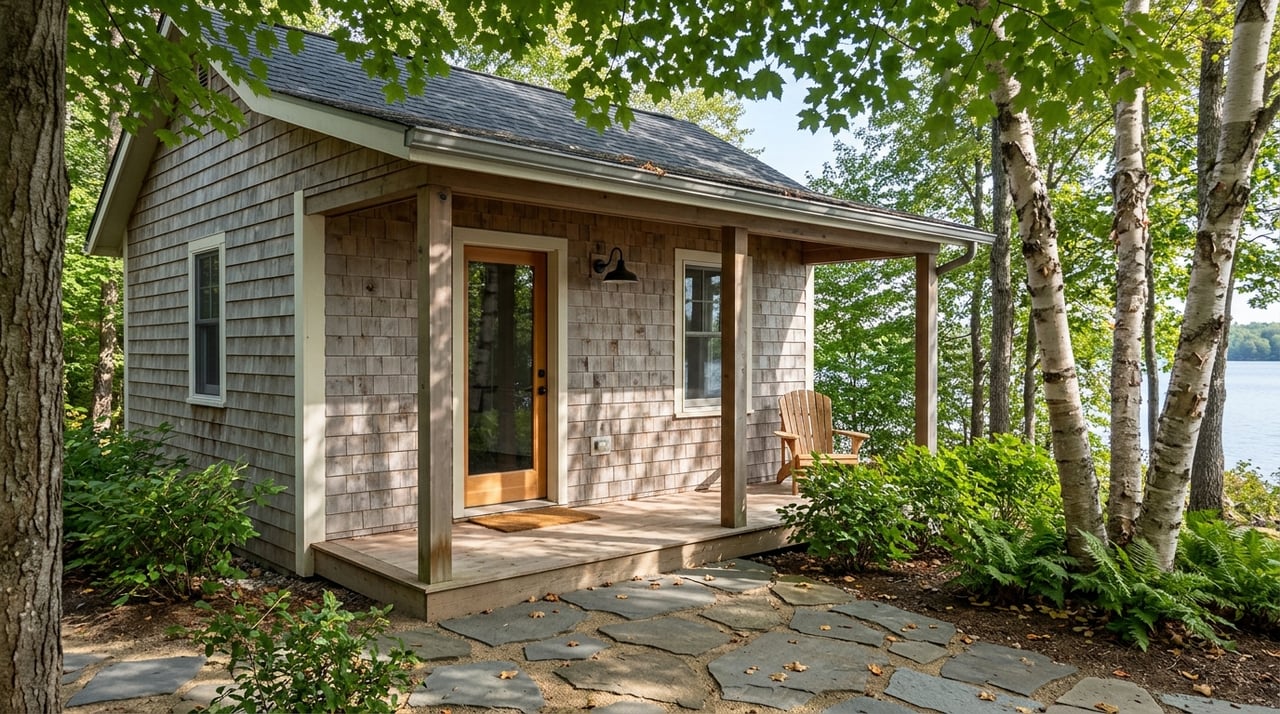
Some properties are cottage-style homes with strong seasonal appeal. Others are condo-style units within historic houses, which may offer a lower-maintenance ownership option. You may also find larger classic homes that work well for personal use, hosting guests, or a seasonal rental strategy.
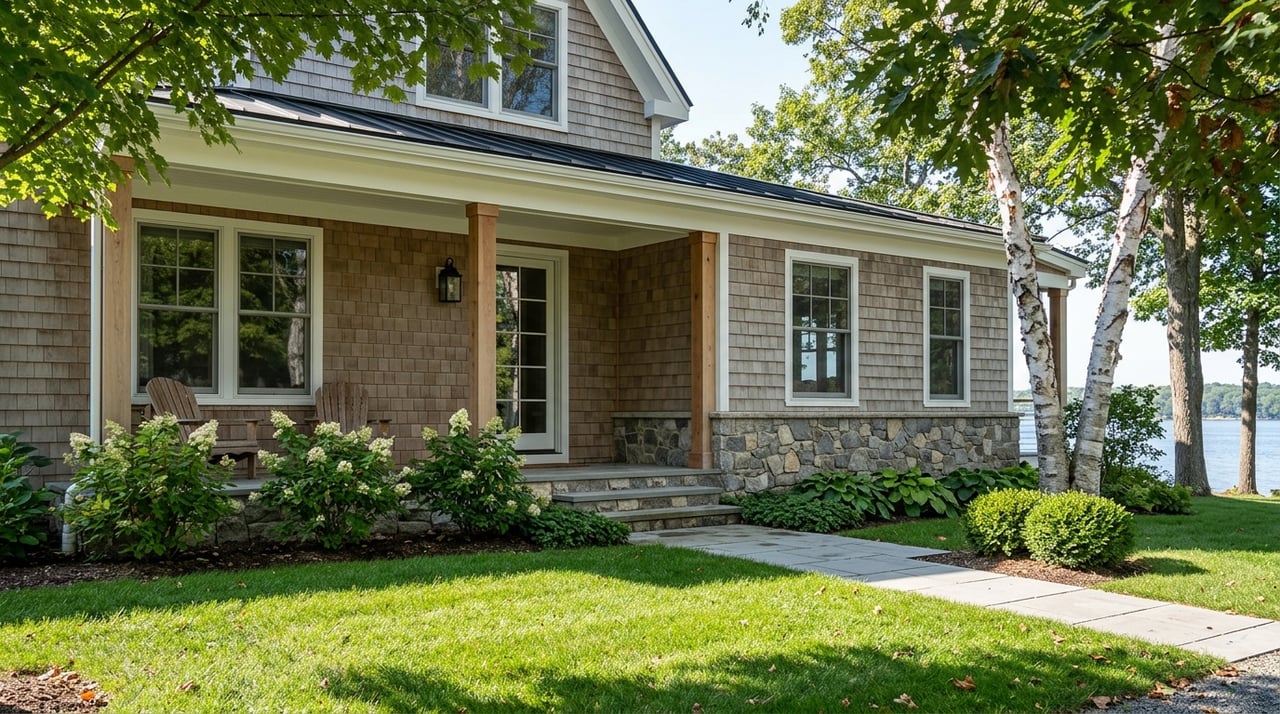
Outside the Institution, the surrounding town remains largely low-density. That can create a very different ownership feel, especially if you prefer more land, more separation from neighboring homes, or a property better suited to year-round use. In practical terms, buyers are often comparing two nearby but distinct real estate experiences.
Seasonal access shapes daily life
If you are buying a second home here, the calendar matters almost as much as the property itself. The Summer Assembly runs from late June through late August, and in 2026 the season is scheduled for June 27 through August 30. During that time, entry requires a gate pass or event ticket, and the rules state that the public, including property owners, are excluded from the grounds except by admission ticket or written pass.
In fall, winter, and spring, access is free of charge. The Institution also notes off-season programming such as culinary events and artists-in-residence. For many second-home owners, this creates two distinct ownership modes: a lively, highly programmed summer and a quieter off-season with easier access.
That split can be a major plus if you love having a built-in cultural calendar. It can also require more planning if you expect a casual, drive-up vacation-home routine all summer long. Before you buy, think about how you want to use the home in peak season versus the rest of the year.
Parking is not a small detail
Parking near Chautauqua Institution deserves serious attention during your home search. This is an intentionally less car-dependent environment, and the Institution says travel by foot or bicycle is preferred, especially during the Summer Assembly. Roads and pathways were designed more than 100 years ago for those forms of travel, not for modern patterns of heavy car use.
Visitors typically park in the Main Lot across Route 394, and complimentary shuttle service runs to the Main Entrance. During the nine-week season, complimentary on-grounds transportation also runs daily on a 20-minute loop. That system helps, but it also means your ownership experience may depend partly on public transportation and off-site parking.
Private parking can be limited. Legal parking spaces on private property must be 8 feet 6 inches by 20 feet and located behind the plane of the house, and owners may purchase parking passes only if the space qualifies. The Institution says the maximum on-site private parking is two spaces, though many properties have zero or one.
There is another layer to watch closely. The parking policy warns that non-compliant grandfathered spaces can be lost when a property changes hands. In some cases, a property on campus may not qualify for any private parking permit at all.
If you expect frequent car use, multiple guests, or easy loading and unloading, make this a top due diligence item. Accessible parking, a 45-minute drop-off hangtag, and transportation support for visitors with mobility needs are available, but they should be part of your planning, not an afterthought.
Renovation timing matters
Many buyers see a charming property and immediately start imagining updates. Near Chautauqua Institution, you will want to match those plans to the local calendar. Construction work is prohibited during the Summer Assembly without written permission, and road cuts after June 1 are restricted except for utility work.
That means the off-season is generally the practical time for major work. If you are buying a second home that needs renovation, ask early whether your expected timeline fits the local rules. A project that feels simple elsewhere may need more coordination here.
This is especially important if you hope to enjoy the property the first summer after closing. In many cases, a home that is already aligned with your needs may offer a smoother first-year experience than one that requires immediate changes.
Rental plans need careful review
If rental income is part of your second-home strategy, Chautauqua can offer opportunity, but it also comes with specific obligations. The summer season is when rental demand is likely most concentrated, and the Institution’s Accommodations Office serves as a marketing channel for private rentals. The accommodations directory also makes clear that privately owned units inside the grounds are a meaningful part of the lodging mix.
Still, you should not assume every home fits the same rental model. Owners who rent overnight for more than 14 days per calendar year and advertise that use must register with the Chautauqua County Finance Department and pay a 5% occupancy tax. The tax does not apply to a permanent resident occupying the property for at least 30 consecutive days.
The Institution also charges an annual rental fee tied to sleeping capacity for properties that rent seven days or more per year. In addition, rental properties must comply with federal, state, local, and Institution health and building codes. The rental standards also call for practical items like emergency contact information, posted egress plans, smoke and carbon-monoxide protections, and clear communication that gate and parking passes are purchased separately.
For buyers, the lesson is simple: rental potential should be verified, not assumed. A property may look appealing on paper, but your actual use plan should match county requirements, Institution standards, and the home’s physical setup.
A smart second-home checklist
Before you make an offer, focus on the questions that matter most in this market:
- Confirm whether the property is inside the Chautauqua Institution District or in the surrounding Town of Chautauqua.
- Verify whether the home has legal private parking, limited parking, or no on-site qualifying space.
- Ask whether any parking arrangement is grandfathered and whether it could change after a sale.
- Review whether your renovation plans can realistically happen in the off-season.
- If you plan to rent, confirm county occupancy-tax registration requirements and Institution rental-fee obligations.
- Check whether the property can meet the Institution’s rental standards if that is part of your plan.
- Think through how you will use the home during the high-activity summer season versus the quieter off-season.
This kind of due diligence helps you buy with confidence. It also helps you compare homes more accurately, especially when two properties seem similar online but offer very different day-to-day ownership experiences.
How to think about the right fit
The best second home near Chautauqua Institution is not always the largest house or the closest address. It is the property that fits the way you actually want to live. For some buyers, that means being inside the grounds with walkable access and a strong seasonal atmosphere. For others, it means staying nearby and gaining a different balance of space, parking, and year-round flexibility.
That is why local guidance matters so much here. A great purchase is not just about finding a beautiful home. It is about understanding how that home functions in this very specific part of Chautauqua.
If you are exploring second-home options near Chautauqua Institution and want practical, locally grounded guidance, Hanna Briggs can help you evaluate the details that matter most and find a property that fits your goals.
FAQs
What makes buying near Chautauqua Institution different from buying elsewhere on Chautauqua Lake?
- The market is shaped by the Institution’s nine-week summer season, controlled summer access, unique parking rules, and a different set of land-use considerations inside the Institution District versus nearby town parcels.
What should you know about parking when buying near Chautauqua Institution?
- Many properties have limited or no qualifying private parking, legal on-site spaces must meet specific size and placement rules, and some grandfathered non-compliant spaces may be lost after a property sale.
Can you renovate a second home near Chautauqua Institution during summer?
- Major construction is generally not practical during the Summer Assembly because construction work is prohibited without written permission, so many buyers should plan improvements for the off-season.
Can you rent out a second home near Chautauqua Institution?
- You may be able to rent a property, but you should confirm county occupancy-tax requirements, Institution rental fees, and whether the home can meet applicable rental standards before you buy.
Should you buy inside the Institution or just outside it?
- That depends on how you want to use the property, because inside-the-grounds homes and nearby town properties can differ meaningfully in housing type, lot pattern, parking, access, and overall ownership experience.