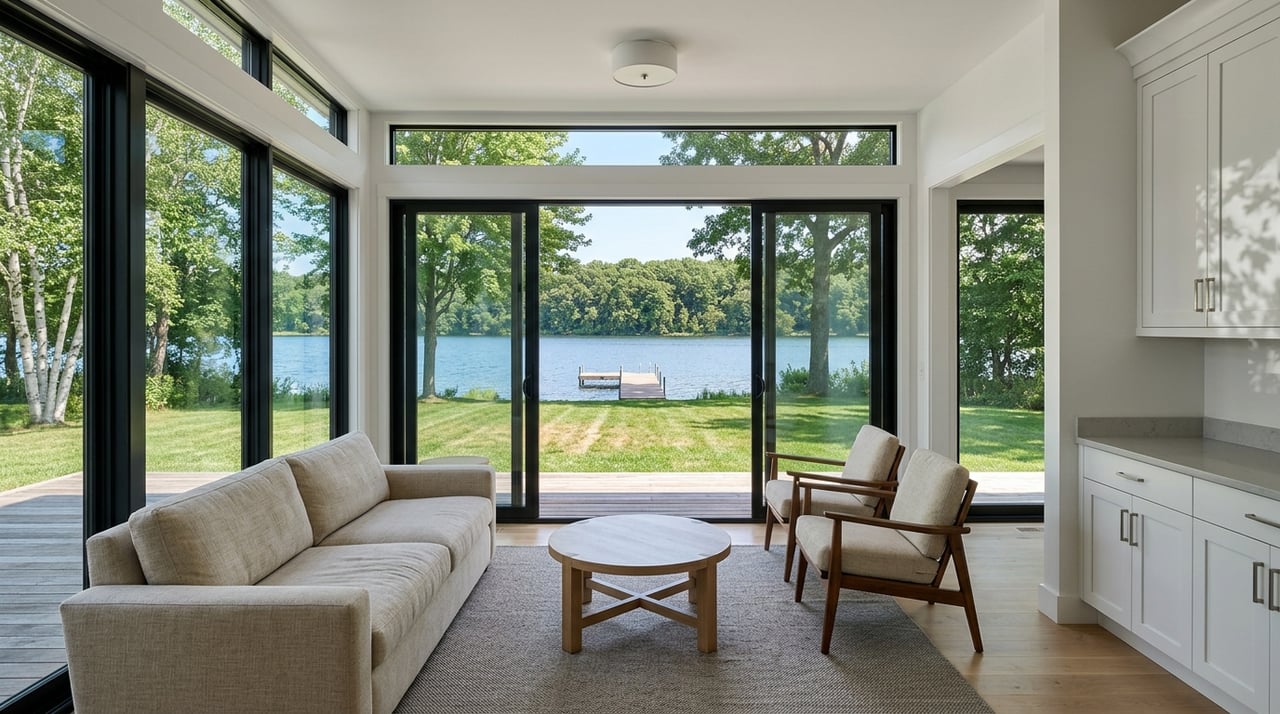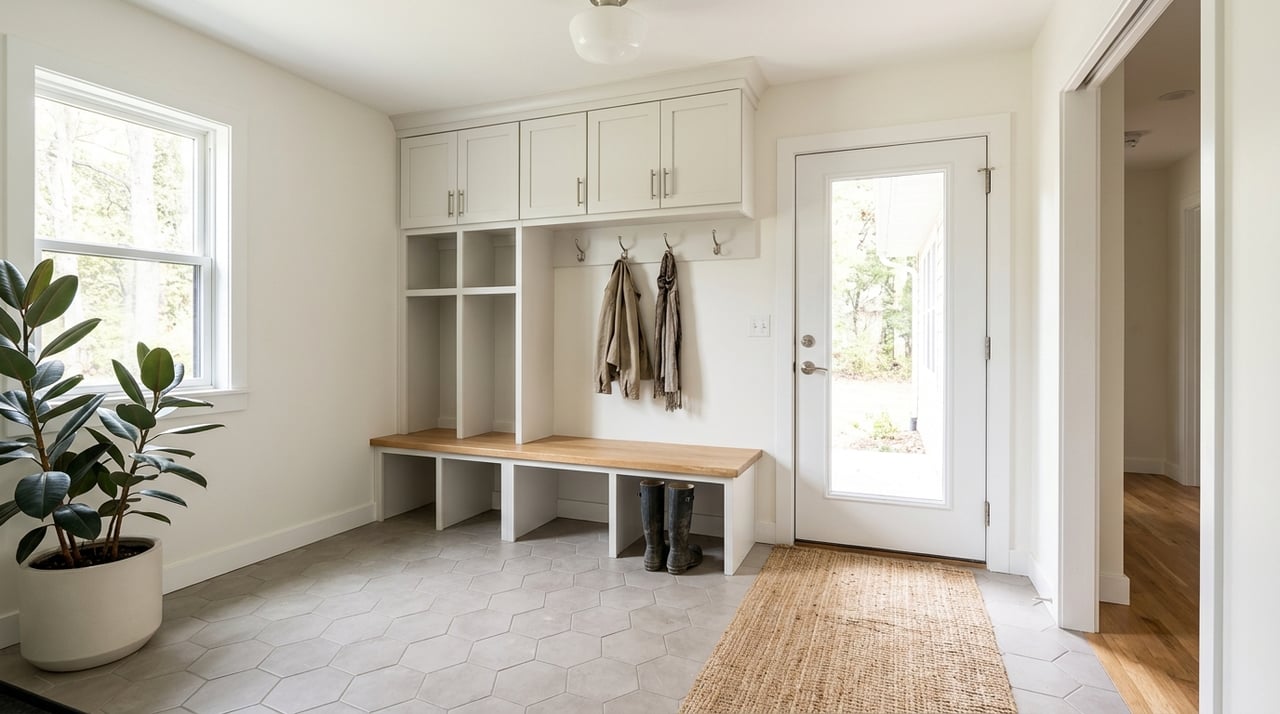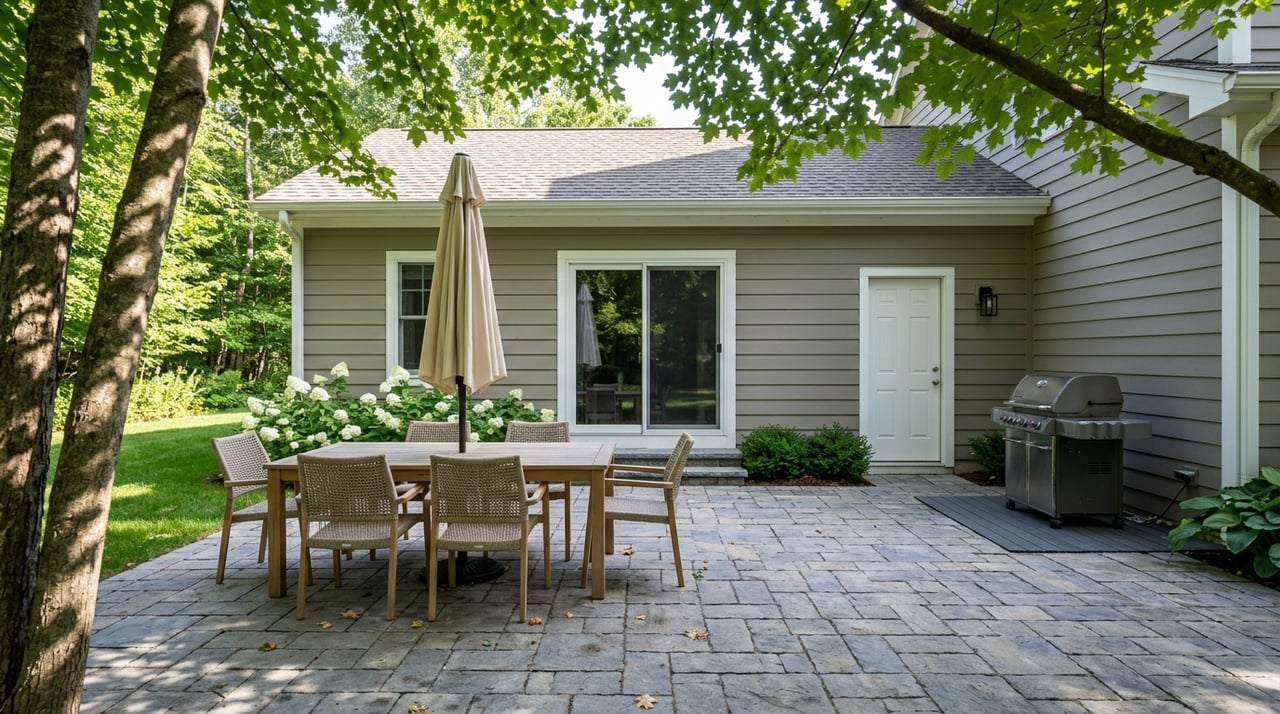
If you are thinking about buying a vacation home in Chautauqua and renting it part of the year, the right property can do a lot more than look charming in listing photos. In this market, rental potential depends on how well a home fits the Chautauqua lifestyle, the summer demand cycle, and the practical details that shape a guest’s stay. If you want to sort true opportunity from wishful thinking, this guide will help you evaluate what matters most. Let’s dive in.
Understand Chautauqua's Rental Rhythm
Chautauqua has a very specific demand pattern, and that matters when you estimate rental potential. The Chautauqua Institution draws about 7,500 people in residence on any given day during its nine-week summer season, and more than 100,000 people attend scheduled public events. For 2026, the Summer Assembly runs from June 27 through August 30.
That level of activity creates a strong seasonal rental window. Accommodations are such a priority that they can fill before gate passes even go on sale, and on high-capacity days long-term passes may be limited to people who already secured on-grounds lodging. In other words, summer demand is real, but it is also concentrated.
You should also know that Chautauqua is not only a summer story. The grounds stay open year-round for shopping, dining, and exploring, and the area also sees added shoulder-season traffic around Memorial Day and Labor Day county events. Still, the nine-week Summer Assembly is the core demand driver, so your projections should start there.
Focus on Location First
In Chautauqua, micro-location can make a big difference. Guests are often coming for access to the Institution experience, which includes the Amphitheater, lectures, performances, Bestor Plaza, the beach, and nearby docks. A home that makes those destinations easy to reach usually has a clearer rental story.
That is why homes close to gates and core venues often stand out. Buyers sometimes assume that any property in or near Chautauqua will rent well, but this is not a generic lake market. Convenience, walkability, and how easily guests can enjoy the Institution all shape demand.
The local lodging mix also adds competition. Chautauqua Institution inventory includes single-family homes, condominiums, apartments, hotels and inns, historic inns and rooms, denominational houses, and hundreds of privately owned rentals. When guests have many options, location and presentation carry more weight.
What to Look for in Micro-Location
When you compare properties, pay close attention to how the home connects to the guest experience.
- Distance to the gates
- Walkability to the Amphitheater
- Access to Bestor Plaza, the beach, and docks
- Parking practicality for guests
- Ease of arrival and check-in
- Whether the location supports the lifestyle you plan to advertise
A property does not have to be steps from everything to perform well. It does need a clear, honest value proposition that guests can understand quickly.
Match the Home to the Guest
A vacation home rents best when the floor plan and furnishings make sense for the number of people you plan to host. In Chautauqua, that means thinking beyond square footage. Guests want to know whether the home will actually work for their stay.
The strongest candidates usually have a usable layout, comfortable sleeping arrangements, and a furnishing level that supports the advertised occupancy. If the listing promises space for a group but the home feels cramped or lacks privacy, guests may pass. Clear alignment between layout, occupancy, and amenities builds trust.
Chautauqua Institution's rental standards reinforce this point. For on-grounds properties, standards call for secure entry, bedroom privacy, egress windows, smoke and carbon-monoxide detectors, fire extinguishers, a posted fire-escape plan, kitchen basics, and linens for the stated occupancy. Those are not just compliance items. They also shape guest confidence and reviews.
Guest-Ready Features That Matter
Practical comfort often matters as much as charm. Airbnb host guidance notes that guests commonly search for features like:
- Wifi
- Free parking
- Air conditioning or heating
- Kitchen access
- Washer or dryer
- Self check-in
- TV or cable
- BBQ grill
- Pool or hot tub where applicable
You do not need every amenity to have a competitive property. You do need a setup that fits guest expectations for your price point and location.
Review Rental Readiness Carefully
A home can look appealing to a buyer and still be a poor fit for vacation rental use. Before you get too far into income estimates, review whether the property can operate smoothly as a guest-facing home. Rental success often comes down to process and preparation.
For on-grounds properties, Chautauqua Institution's standards offer a useful checklist. Owners should provide written reservation confirmation with arrival and departure details, separate gate and parking pass information, and a prominent emergency contact list. That tells you something important about this market: guests need clear communication, not just a nice place to sleep.
You should also be cautious about how the property is described. Accessibility should not be advertised unless the home truly meets ADA requirements for vacation or overnight rentals. Accurate marketing protects guests and helps owners avoid preventable problems.
Rental Readiness Checklist
Before you buy, ask whether the property can realistically support these basics:
- Secure, simple guest entry
- Private and clearly defined sleeping areas
- Required safety devices and fire protection
- Kitchen setup that matches the occupancy
- Linens and essentials for the number of guests advertised
- Posted emergency information
- Clear arrival, departure, gate, and parking instructions
- Space for cleaning, turnover, and maintenance logistics
If several of these items would require major updates or ongoing workarounds, the home may be less rental-friendly than it first appears.
Know the Tax and Compliance Pieces
Projected rental income is only useful if you account for the real operating rules. In New York, state and local sales tax now applies to short-term rental occupancy when the rental rate is more than $2 per day, effective March 1, 2025. Booking services and certain operators must register, file returns, and collect and remit the tax, and the permanent-resident threshold is 90 consecutive days.
At the county level, Chautauqua County materials describe a 5% occupancy or bed tax program for lodging units, with 3% used for tourism and 2% used for lakes and streams. Because local tax treatment can depend on property classification, you should confirm the details with the county before treating projected income as final. Small assumptions can change your net numbers.
Compliance also extends beyond taxes. Chautauqua Institution standards state that rental properties must comply with health-department and building-code requirements, and they direct specific questions to the Town of Chautauqua Building Office. If you are comparing homes, it is smart to treat compliance review as part of due diligence, not an afterthought.
Plan for Marketing and Management
Even in a high-demand market, rentals still need to compete. The Chautauqua County Visitors Bureau says its visitor website is used by more than 300,000 visitors annually and supports a travel guide, online event calendar, and lodging directories, including the private accommodations rental directory for Chautauqua Institution. That means guests have options, and your property needs to stand out clearly.
Professional photography, complete amenity details, and prompt communication all matter. This fits especially well with Hanna Briggs' approach, which centers on premium presentation, strong visual marketing, and practical local guidance. In a market where many bookings are made by seasonal or out-of-market guests, clear listing quality can shape results.
Management support also matters more than many buyers expect. ERA Team VP's vacation-rental operation manages more than 200 privately owned vacation rental homes and condos across Chautauqua Lake, Chautauqua Institution, and other western New York resort markets. For owners who want to offset carrying costs responsibly, access to a local management, cleaning, and guest-support referral path can be a major advantage.
Ask Better Questions Before You Buy
If you are evaluating Chautauqua vacation homes for rental potential, your goal is not just to find a beautiful property. Your goal is to find a home with a believable rental story, practical guest usability, and manageable operations.
As you compare options, ask questions like these:
- Is the location close enough to the Institution or lake activity to be easy to market?
- Does the layout support the occupancy I would advertise?
- Would guests have the amenities they expect at this price point?
- Are safety, access, and communication requirements easy to meet?
- Have I accounted for state and local lodging taxes?
- Do I have a realistic plan for cleaning, maintenance, and guest support?
The strongest opportunities in Chautauqua tend to bring location, usability, and process together. When those three pieces line up, a vacation home has a much better chance of performing well and delivering a smoother ownership experience.
If you are weighing a purchase and want a local perspective on what makes a property attractive to both buyers and seasonal renters, Hanna Briggs can help you evaluate the details with clear, practical guidance.
FAQs
How seasonal is the vacation rental market in Chautauqua?
- The market is strongly driven by the nine-week Chautauqua Institution Summer Assembly, with additional shoulder traffic around Memorial Day and Labor Day, plus some year-round visitor activity.
What location factors matter most for Chautauqua rental potential?
- Properties closer to Institution gates and popular destinations like the Amphitheater, Bestor Plaza, the beach, and docks often have the clearest appeal to guests.
What amenities do guests want in a Chautauqua vacation rental?
- Commonly searched features include wifi, free parking, air conditioning or heating, kitchen access, washer or dryer, self check-in, TV or cable, and outdoor amenities where applicable.
What rules should buyers review for a Chautauqua vacation rental?
- Buyers should review Chautauqua Institution rental standards where applicable, confirm health-department and building-code requirements, and check with the Town of Chautauqua Building Office for property-specific compliance questions.
What taxes apply to short-term rentals in Chautauqua, New York?
- New York state and local sales tax may apply to short-term rental occupancy, and Chautauqua County materials describe a 5% occupancy or bed tax program, so buyers should confirm how a property will be classified before finalizing projections.
How can you tell if a Chautauqua home is a strong rental candidate?
- A strong candidate usually offers a marketable location, a layout that fits the intended guest count, guest-ready safety and comfort features, and a realistic plan for communication, cleaning, and ongoing management.