Thinking about a Findley Lake place that pays for itself when you are not there? You are not alone. Many buyers want a home they can enjoy and also rent as a short‑term rental. The key is getting clear on demand, realistic income, costs, and local rules before you buy. This guide gives you a simple framework to evaluate potential in Findley Lake and move forward with confidence. Let’s dive in.
Why Findley Lake works
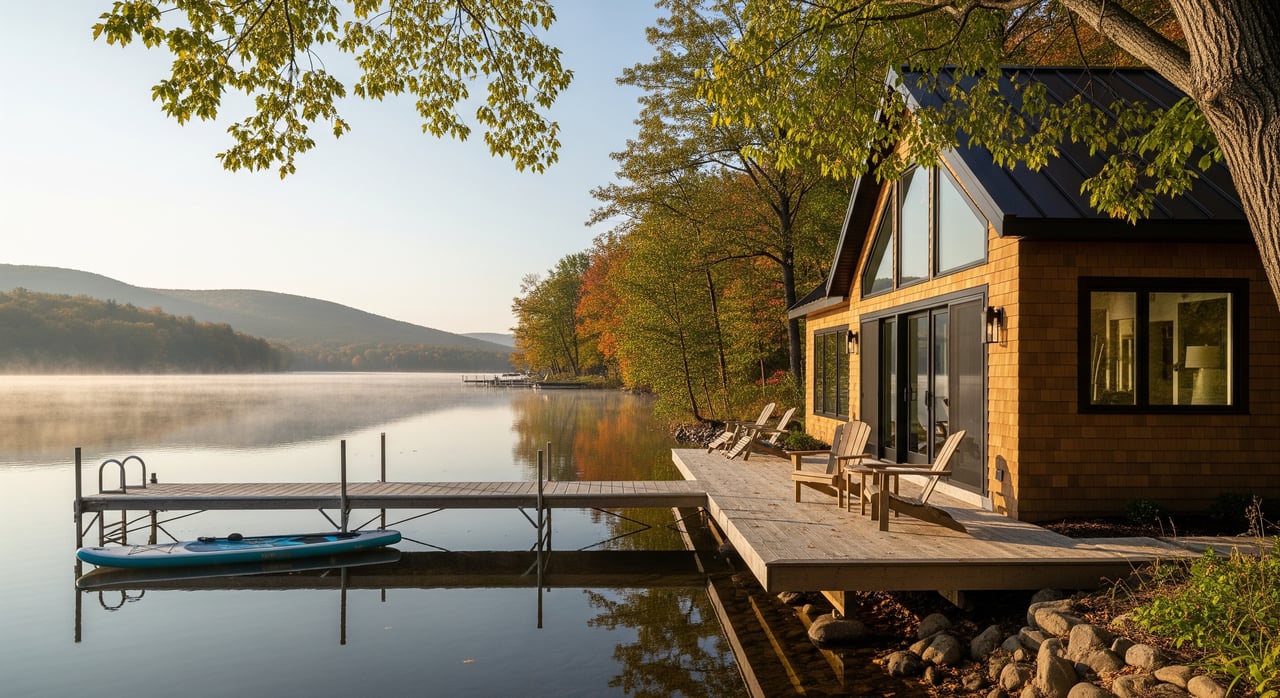
Findley Lake is a small lakeside village in Chautauqua County near the Pennsylvania border. It draws weekenders and families who want boating, fishing, and a relaxed lake pace. You also benefit from nearby attractions that add year‑round interest, including the Lake Erie wine region, programming across Chautauqua County, and events at Peek’n Peak Resort for golf, skiing, spa, and gatherings.
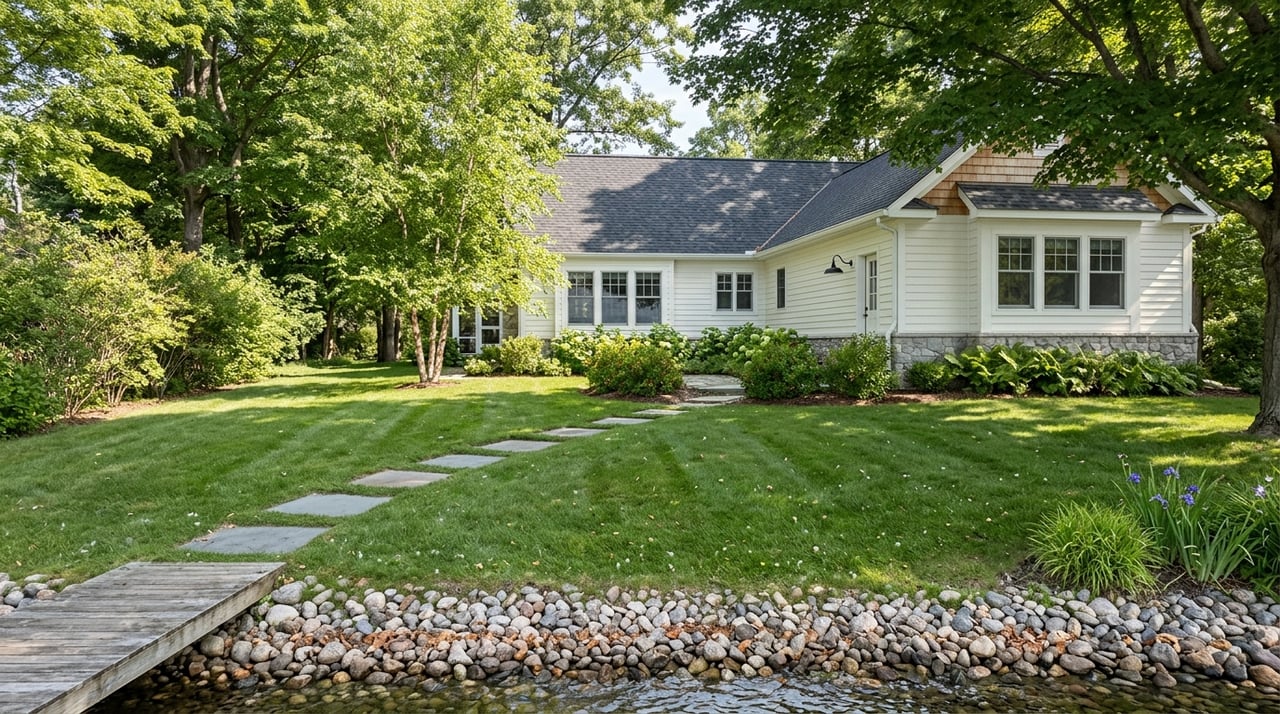
Your primary guest pool often comes from Buffalo and Western New York, Erie in Pennsylvania, Pittsburgh, and parts of northeastern Ohio. Most are within a 1 to 2.5 hour drive, which supports weekend stays and last‑minute bookings. Strong photos, easy access to the village, and lake‑friendly amenities like a dock, fire pit, or hot tub can make a meaningful difference in performance.
Understand seasonality
Findley Lake follows a familiar small‑lake pattern. Pricing and occupancy hinge on timing.
- Peak season: Late May through early September. Summer weekends run hottest, with holiday weekends like Memorial Day, July 4, and Labor Day commanding premium rates.
- Shoulder seasons: May and September through October. You can see steady demand from fishing, foliage, and mild‑weather getaways.
- Off season: November through April. Expect lower occupancy. You may capture demand from winter sports at nearby ski areas, ice fishing, or snowmobiling if you market clearly and offer the right setup.
Weekend stays tend to outpace midweek. You can price weekends higher and set minimum nights to optimize turnover and revenue. Creating offers tied to local events also helps convert day‑trippers to overnight guests.
Run the numbers
Before you fall in love with a porch view, model income and costs. Focus on nightly rates, occupancy, and operating expenses.
Set ADR assumptions
Estimate your average daily rate by comparing similar active listings and weighing features like lakefront vs near‑lake, dock access, bedroom count, finishes, heating and cooling, parking, and pet policy. Typical peak‑season ranges for small lake communities are:
- Modest 1–2 bedroom cottage (non‑lakefront): about $100 to $200 per night.
- 2–3 bedroom family cottage (near‑lake): about $150 to $300 per night.
- 3–5 bedroom lakefront with private dock and upgrades: about $250 to $450+ per night.
Shoulder and winter ADRs often reduce to 40 to 70 percent of peak pricing.
Choose occupancy
Annual occupancy in seasonal lake markets varies by marketing quality, property type, and owner use.
- Part‑time or under‑marketed: about 20 to 35 percent.
- Typical active listings: about 30 to 55 percent.
- Highly optimized lakefront: about 50 to 70 percent in strong years.
Peak summer can reach 70 to 95 percent weekly occupancy for desirable lakefront homes. Midweek and off‑season are lower, so plan a blended annual rate.
Estimate expenses
Build a realistic operating budget using these categories:
- Property management: 18 to 35 percent of rental revenue for full service. Limited services can be lower.
- Cleaning and turnover: about $75 to $300 per booking, sized to the home.
- Utilities and internet: roughly $1,500 to $6,000 per year depending on usage and winter heating.
- Maintenance and repairs: plan 5 to 10 percent of revenue or $2,000 to $8,000 per year.
- Supplies and consumables: about $500 to $2,000 per year.
- Insurance: expect a higher premium for STR coverage or endorsements.
- Property taxes and any HOA fees: verify per property and HOA rules.
- Platform and marketing fees: most listing platforms charge 3 to 15 percent depending on the model.
- Capital reserve: set aside 5 to 10 percent of revenue for big items like HVAC or a dock.
- Lodging and sales tax collection: know state and local requirements and plan for compliance.
In well‑run STRs, net operating income before debt service often lands near 25 to 50 percent of gross revenue. Your management approach and seasonality will shift the result.
Three scenarios
Use gross revenue = ADR x booked nights (365 x occupancy). Then subtract realistic expenses to estimate NOI.
- Low scenario, 2BR cottage near‑lake: ADR $175, occupancy 30 percent. About 110 nights booked. Gross revenue around $19,250. Estimated NOI range at 25 to 40 percent: about $4,800 to $7,700.
- Typical scenario, 3BR near‑lake: ADR $250, occupancy 40 percent. About 146 nights. Gross revenue around $36,500. Estimated NOI range at 25 to 40 percent: about $9,100 to $14,600.
- Higher‑end scenario, 4BR lakefront: ADR $375, occupancy 55 percent. About 201 nights. Gross revenue around $75,375. Estimated NOI range at 25 to 45 percent: about $18,800 to $33,900.
These are illustrative. Refine with true comps, your owner‑use calendar, and quotes from managers and vendors.
Regulations and taxes
Know the rules before you write a single listing description. Short‑term rental requirements are set by local governments in New York.
Local rules to verify
Check the Village of Findley Lake and the Town of Mina for zoning and permitting. Confirm with the clerk or code enforcement:
- Zoning districts where STRs are allowed.
- Registration or permits, fees, inspections, and renewals.
- Minimum nights, guest limits, and on‑site parking requirements.
- Noise and nuisance ordinances and fines.
- Any owner‑occupancy rules or caps on non‑owner listings.
- Shoreline, floodplain, or historic restrictions that affect your use.
Also look at county lodging tax requirements through Chautauqua County.
Tax and reporting basics
Expect to collect and remit New York State and local lodging or sales taxes for short stays. Rental income is taxable at the federal level. You can typically deduct expenses and depreciate the property, but personal use matters. The IRS has rules like the 14‑day personal use test. Keep careful records of nights rented, personal use, and all expenses. A CPA familiar with vacation rentals can help you plan.
Insurance and liability
Standard homeowner policies may not cover short‑term rentals. Ask for an STR endorsement or a policy that covers guests, higher liability limits, theft or malicious damage, and business interruption. If the property sits in a mapped flood area, evaluate flood insurance. Clear house rules about dock and shoreline use protect guests and your asset.
Property due diligence
Your lake house will live or die by the details. Confirm these items during your inspection window.
Lake‑specific checks
- Septic system: verify design capacity, permits, and the most recent inspection. High guest counts can stress a system.
- Well water: test for bacteria and nitrates. Plan for winterization if the home is seasonal.
- Dock and shoreline rights: confirm ownership, permits, and maintenance responsibilities.
- Floodplain and setbacks: review FEMA maps and local code for elevation and erosion protections.
- Utilities and winter readiness: reliable heating, snow removal, and freeze protection are essential for year‑round rentals.
- HOA or condo rules: some associations limit or prohibit short‑term rentals.
Universal checklist
- Confirm zoning and STR legality with the village or town clerk.
- Verify registration for occupancy and any tax collection requirements.
- Request 12 to 36 months of rental performance if the home is already an STR.
- Pull comps for similar active listings to test your ADR and occupancy assumptions.
- Obtain an insurance quote specific to STR use.
- Review title, easements, and riparian rights.
- Get quotes from two to three local managers for fees and services.
- Estimate upgrades needed to meet guest expectations. Photos and amenities move the needle.
Pricing and marketing
You do not need to be everywhere, but you do need to be visible where your guests are looking. Match your distribution and pricing to seasonality.
Where to list
Most owners use major platforms like Airbnb and Vrbo. Some add a direct‑booking page or work with a brokerage rental channel that distributes to multiple sites and processes bookings. A channel manager helps you sync calendars and avoid double bookings.
Smarter pricing
- Set higher weekend and holiday rates. Require minimum nights on peak weekends to reduce cleaning costs and increase average booking value.
- Create shoulder‑season offers tied to foliage, fishing, and local events.
- Use dynamic pricing tools to respond to demand peaks and gaps.
Photos and positioning
Lead with the lake. Highlight the dock, outdoor seating, fire pit, and any hot tub or upgraded kitchen. Show proximity to village restaurants and activities. Clear house rules for dock and parking help protect your asset and guest experience.
Operations that fit you
Decide how hands‑on you want to be. Your time has value.
Self‑manage vs manager
- Owner‑managed: lower fees and higher control, but more time on guest communication, cleaning coordination, and maintenance.
- Full‑service manager: about 18 to 35 percent of revenue. You gain local expertise, vendor networks, compliance support, and 24/7 guest help.
- Hybrid: a listing and booking partner handles distribution, messaging, and pricing support while you manage turnovers with local vendors.
Quantify the trade‑off. If a manager improves occupancy and ADR while saving your time, the net can still rise after fees.
Brokerage rental channel
A brokerage rental channel can offer listing creation, professional photography, distribution across major platforms, a reservation engine, pricing guidance, guest messaging, and access to local vendors. Confirm fee structure, exclusivity, insurance coverage for bookings, how damages and deposits are handled, and how reporting integrates with your accounting. Ask for a service sheet, references, and termination terms so expectations are clear.
Risks and mitigation
Seasonal markets are small, so weather, local restrictions, or a light winter can affect demand. You can prepare by keeping a maintenance reserve, carrying the right insurance, following local rules, and setting clear house policies on noise, parking, shoreline safety, and septic use. Build a reliable local vendor list for cleaning, snow removal, and emergency repairs. Good neighbor relations matter in a village setting.
Your next steps
- Identify target property types and features that match guest demand, like lakefront with a dock or a well‑equipped near‑lake cottage.
- Validate ADR and occupancy with current comps and local manager feedback.
- Map your expense model and confirm quotes for management, cleaning, utilities, and insurance.
- Call the village or town clerk to confirm STR legality, permits, and inspections.
- Review flood maps, septic and well reports, and any HOA rules.
- Decide on your operational model and pricing strategy for peak, shoulder, and off‑season.
If you want a local sounding board as you evaluate options, reach out to Hanna Briggs for a conversation about inventory, pricing, and how to align income potential with your lifestyle goals.
FAQs
How much can a Findley Lake STR earn?
- Use ADR times booked nights to estimate gross, then subtract realistic expenses. Depending on property and operations, net operating income often lands around 25 to 50 percent of gross.
Do I need a permit to rent short term?
- Check the Village of Findley Lake and Town of Mina for zoning and any registration, inspections, guest limits, parking rules, or renewals, and confirm county lodging tax requirements.
Can I use the home part of the year?
- Yes, many owners blend personal use and rentals, but track personal nights for tax purposes and confirm that owner use fits local STR rules and any permit terms.
What unexpected costs should I plan for?
- Septic repairs, seasonal dock maintenance, higher insurance premiums for STR use, snow removal for winter guests, and fines tied to noise, parking, or noncompliance are common surprises.
How should I price peak weekends and holidays?
- Set higher weekend and holiday ADRs, require minimum stays to reduce turnover, and use dynamic pricing and local event calendars to capture demand spikes.
Is hiring a manager worth it for Findley Lake?
- If you are remote or prefer a hands‑off approach, a full‑service manager can lift occupancy and streamline operations despite fees; compare your time value and expected revenue uplift to the cost.