Snow is falling, daylight is short, and buyers are still shopping. If you plan to list your Celoron home this winter, the season can work in your favor when you prepare with local conditions in mind. Lake-effect squalls, icy walks, and low light can make or break a first impression. In this guide, you’ll get a practical, step-by-step plan for curb appeal, comfort, photo timing, and smooth showings tailored to Celoron. Let’s dive in.
Understand Celoron’s winter reality
Celoron sits in a lake-influenced zone where snow can arrive fast and visibility can change quickly. Plan for frequent clearing, melt-and-refreeze cycles on walks, and stronger winds near the water that can blow snow back onto paths. Shorter days also mean tighter windows for photos and showings.
Check local rules on sidewalk clearing and any snow-emergency guidance through the Village of Celoron and Chautauqua County. For active weather advisories, rely on the National Weather Service’s Buffalo office. Use those updates to time your prep, photos, and showings.
Curb appeal starts with safe access
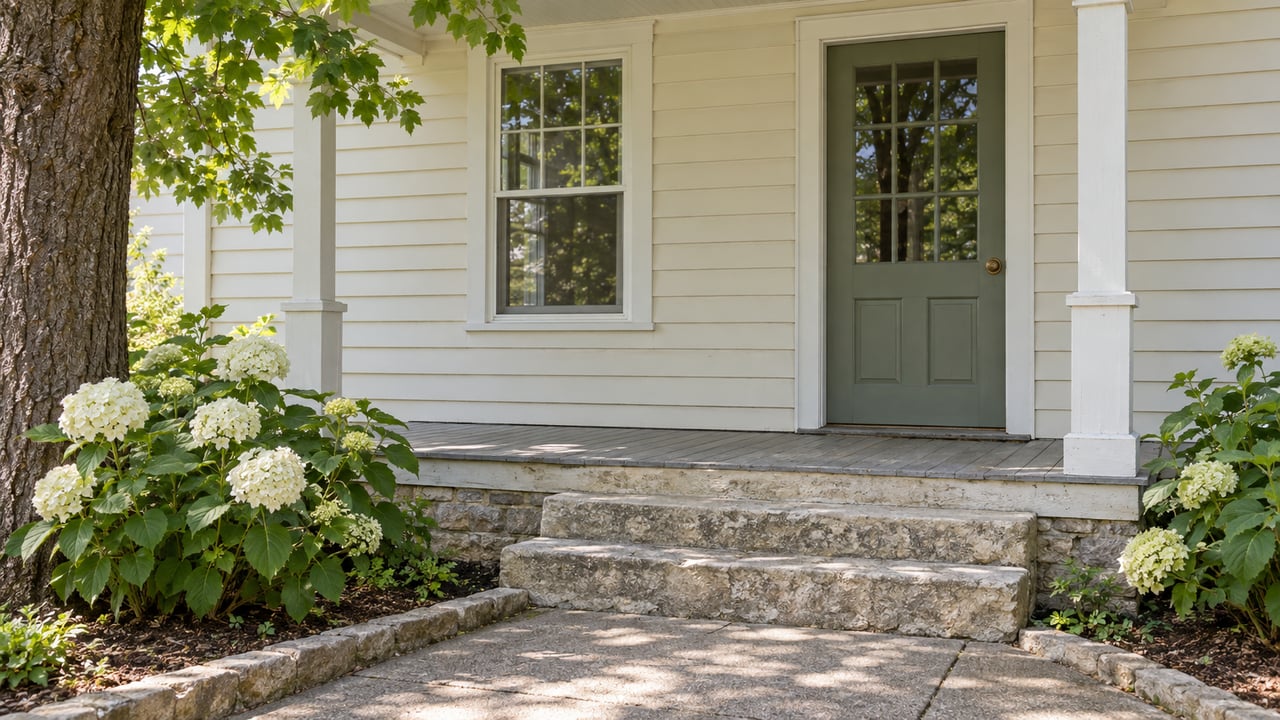
Clear walkways, steps, and driveway
Your top job is a continuous, safe path from parking to the front door. Clear snow the morning of photos and every showing, and re-treat if flakes keep falling. Address refreeze after midday melts to prevent black ice. Keep your mailbox and house number visible from the street.
Choose traction and de-icer products wisely. Rock salt works but can harm vegetation, concrete, and metal. Where plants or concrete matter, use products labeled safe for concrete and landscaping, or add coarse sand for traction. Follow manufacturer instructions.
Plan for parking
Keep at least two parking spots open and salted. If street parking is tight due to snowbanks, include simple parking notes in your showing instructions so buyers know exactly where to pull in.
Manage roof, gutters, and icicles
Ice dams are common on older, pitched roofs. They happen when heat loss melts roof snow that refreezes at the eaves, and they can cause leaks. Consider a professional roof and attic check before listing. Improve insulation and ventilation if needed, and use a roof rake from the ground to pull snow off the first few feet of roof.
Remove large icicles before showings. Small icicles can look pretty in photos, but large ones signal risk. Avoid DIY heat cables unless installed by a professional.
Light the exterior
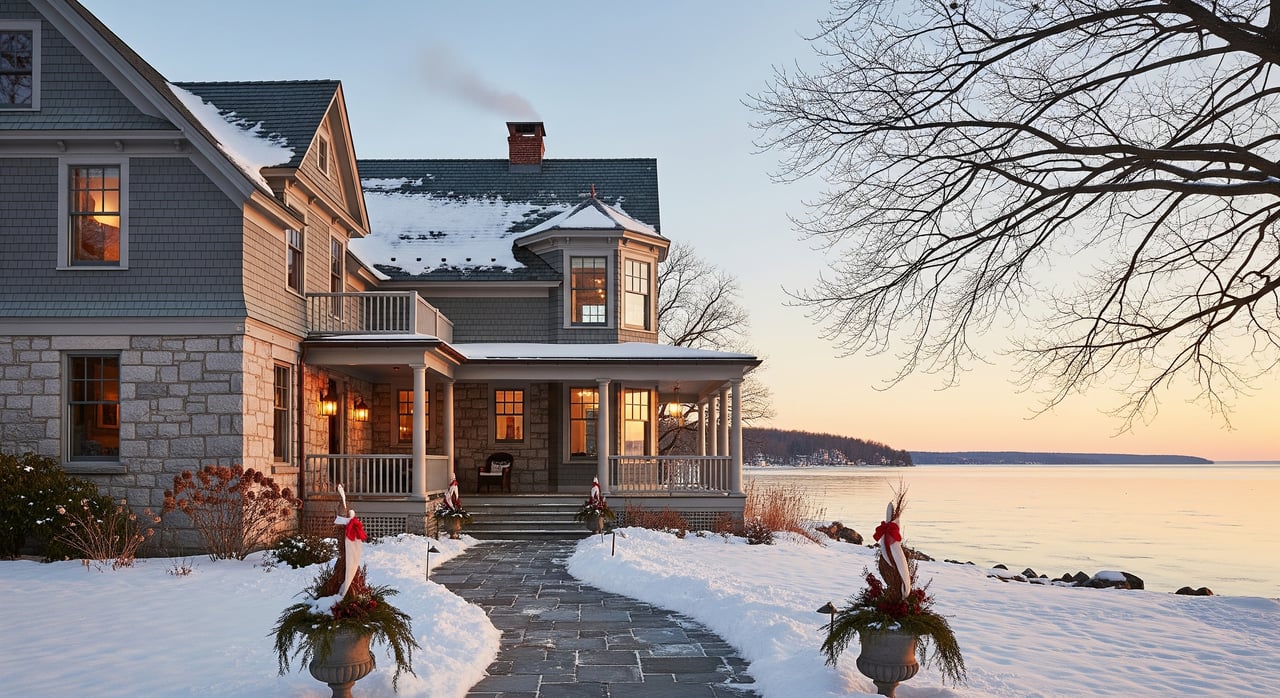
Winter light is dim and the sun sets early. Strong, warm lighting makes your home feel welcoming and safe. Illuminate the path, steps, and entry with shadow-free lights. Use motion sensors sparingly so lights do not turn off during twilight showings. Turn on porch lights for all photos and showings.
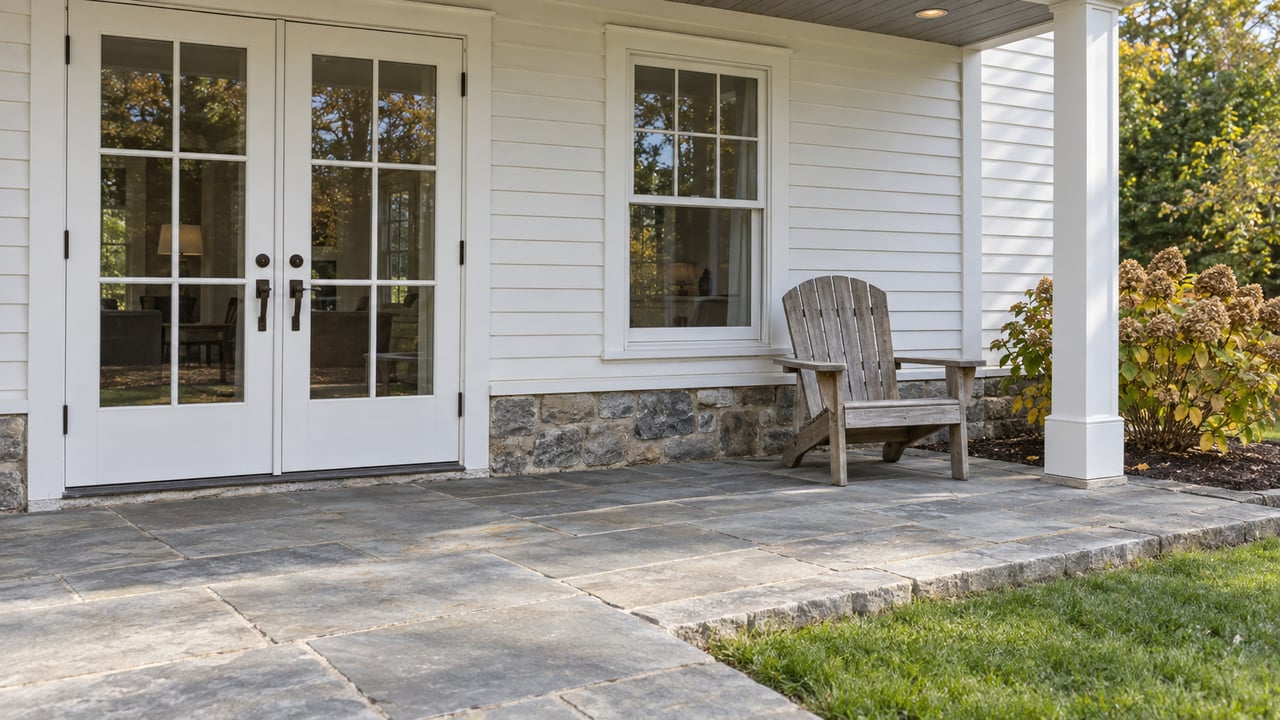
Dress the entry with simple winter planters and keep beds tidy. Clear snow from key features like patios, sheds, and garage doors so buyers can see how the property functions year-round.
Create warm, comfortable interiors
Heat and HVAC confidence
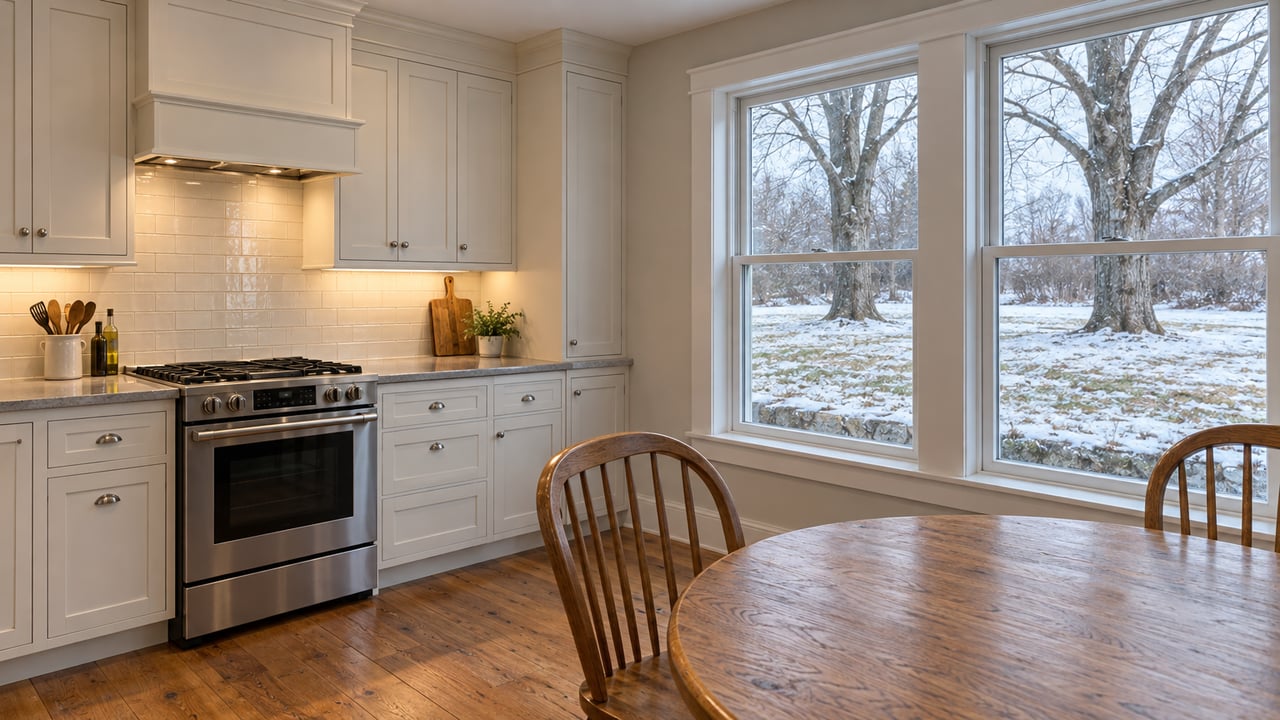
Schedule a furnace or boiler service before you list. A recent service receipt reassures buyers. For showings and photos, set the thermostat to a comfortable 68 to 72 F. If you use a fireplace or supplemental heat for staging, follow safety guidance and monitor energy use.
If your home uses oil, propane, or a wood stove, note fuel levels and provide simple operating instructions for your agent and buyers.
Humidity and fresh air
Cold air is dry, but you do not want condensation on windows. Aim for indoor humidity around 30 to 50 percent. Warm the house a bit before photos to prevent fogging. Tackle winter odors by washing entry rugs, running a small dehumidifier in a musty basement, and keeping pet gear out of sight. Avoid heavy fragrances.
Fireplace staging
A clean, working fireplace is a winter highlight. Have the chimney swept and the flue inspected. If you plan to light it for a showing, use a screen and practice safe ash handling. If not, stage with candles or an electric insert for a cozy look.
Safety essentials
Check carbon monoxide detectors, especially if you have fuel-burning appliances, a generator, or a wood stove. Place absorbent mats and a boot tray at entries to prevent slips and protect floors.
Protect pipes and utilities
Insulate exposed pipes in basements or crawlspaces and keep steady temperatures in vulnerable areas. Label the main water shutoff and furnace shutoff so you and agents can find them quickly in an emergency.
Plan photos that sell in winter
Timing and conditions
Book photos for the brightest part of the day. Overcast midday often gives even light, while sunny late mornings can work well too. Fresh, undisturbed snow can look magical. Clear the walk and driveway cleanly, then brush away salt piles or messy tire marks before the shoot. If your exterior lighting shines, consider a short dusk session about 15 to 30 minutes after sunset.
For interiors, pre-warm the house, turn on all lamps, and consider a safe, staged fireplace scene. Avoid photographing during heavy snowfall or poor visibility.
Waterfront photos
If the lake is frozen or visibility is low, show usable outdoor features like patios, paths, and a cleared firepit. Be transparent about seasonal conditions. If you use summer images, label them as seasonal and pair them with current winter shots.
Virtual tours and floor plans
Virtual tours and accurate floor plans help buyers evaluate the layout without multiple trips in bad weather. Include simple notes like “dock winterized; in-season photos available.”
Hire local expertise
A photographer who knows Chautauqua County winter light can advise on the best time of day and how to light your entry, paths, and waterfront. Share a brief prep list so they arrive to a tidy, well-lit scene.
Showing logistics that work in snow
Communicate before each showing
Provide parking guidance if snowbanks limit street parking. Place a clean rug and disposable boot covers by the door. If a weather advisory is active, let buyers reschedule so they see your home at its best.
Keep access safe
Store a shovel and salt or sand near doors for quick touch-ups. Check that handrails are solid and steps have traction. If you have waterfront access, mark safe boundaries and do not allow anyone to walk on ice.
Keys and lockboxes
Position the lockbox where snowplows and banks will not bury it. Shield code boxes from freezing, and keep access details current with the showing platform.
Contingency planning
If a storm hits, postpone showings rather than forcing a poor first impression. Keep vendor contacts on hand for plowing, electrical, and furnace service so you can respond quickly.
Day-of winter showing checklist
- Clear the walk, steps, and at least two parking spots; add traction.
- Sweep and dry the entry; set a boot tray and fresh rug.
- Turn on all exterior and interior lights; set heat to a comfortable 68 to 72 F.
- If safe, stage the fireplace; put away wet coats, boots, and umbrellas.
- Confirm carbon monoxide and smoke alarms are functioning.
- Make sure the house number and mailbox are visible from the street.
- Re-treat paths if snow or refreeze occurs between appointments.
Quick tips for Celoron waterfront sellers
- Keep a visible, safe path to the shoreline and any outbuildings.
- Disclose winterized features like docks and boathouses in your remarks.
- Mark the edge of safe walking areas and prohibit walking on ice.
- Highlight year-round usability with a cleared patio or firepit scene.
Supplies to keep on hand
- Snow shovel and a roof rake for ground-level use
- Salt/deicer plus an eco-friendlier option or sand for traction
- Absorbent entry mats and a boot tray
- Flashlight and spare bulbs for exterior fixtures
- Ice melt labeled safe for concrete and plants
- Reflective house numbers or a temporary marker if snowbanks are high
Let your winter prep boost your results
Winter can showcase how well your home handles real Celoron weather. Safe access, warm interiors, and intentional photography help buyers feel confident. With premium visuals and thoughtful showing logistics, you can stand out even in a snowy week. If you want a tailored winter listing plan and professional marketing that reaches out-of-market buyers, connect with Hanna Briggs for a free consultation.
FAQs
What is the best time of day for winter listing photos in Celoron?
- Aim for the brightest part of the day for even interior light, and consider a short dusk session for exterior glow if your lighting is strong.
Which de-icer should I use on concrete steps at my Celoron home?
- Use products labeled safe for concrete and landscaping, and add coarse sand for traction; reserve rock salt for areas where plant and surface damage is not a concern.
What thermostat setting works best during winter showings?
- Set the thermostat between 68 and 72 F so the home feels cozy without overheating or causing condensation on windows.
How should I handle showings during a lake-effect snow advisory in Chautauqua County?
- Prioritize safety and presentation by allowing rescheduling; clear and re-treat paths if conditions improve and communicate parking and access notes to buyers.
Should I include summer photos of my Celoron waterfront when listing in winter?
- Yes, include clearly labeled seasonal photos alongside current winter images and highlight usable winter features like a cleared patio or firepit.
How do I prevent ice dams on an older Celoron home?
- Improve attic insulation and ventilation, safely roof-rake the lower roof after snow, and have a professional inspect the roof and chimney before listing.