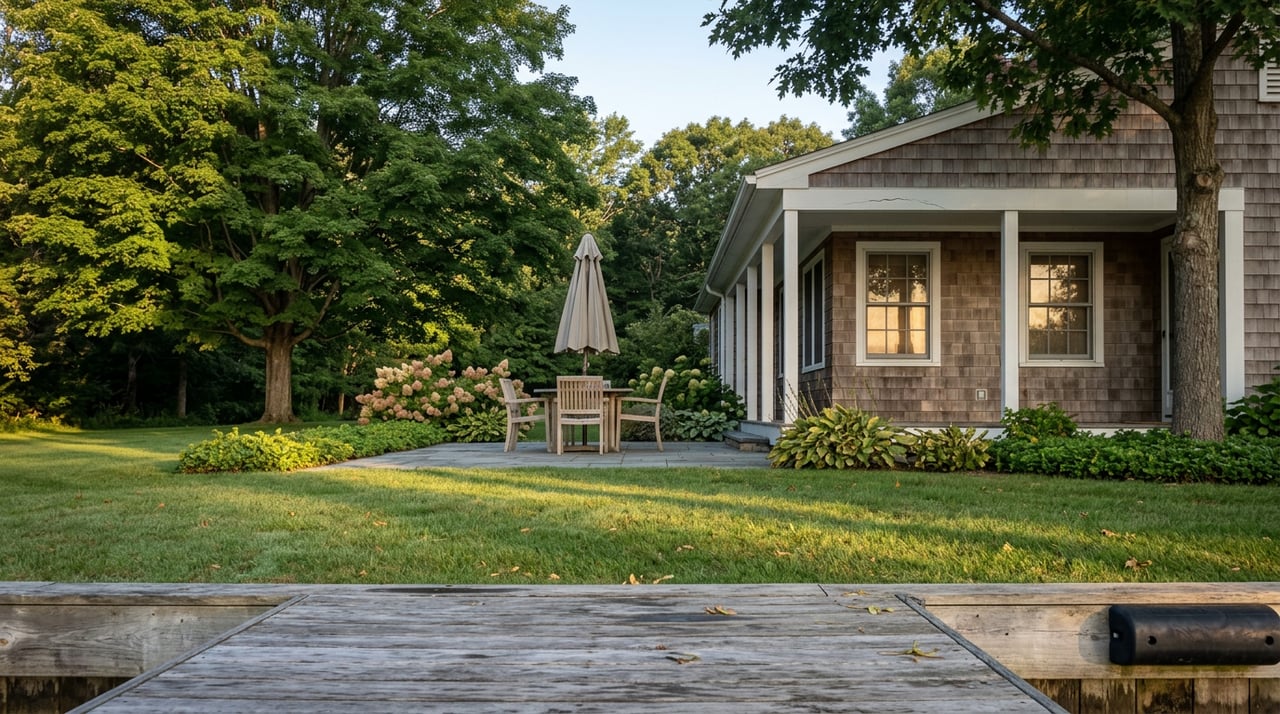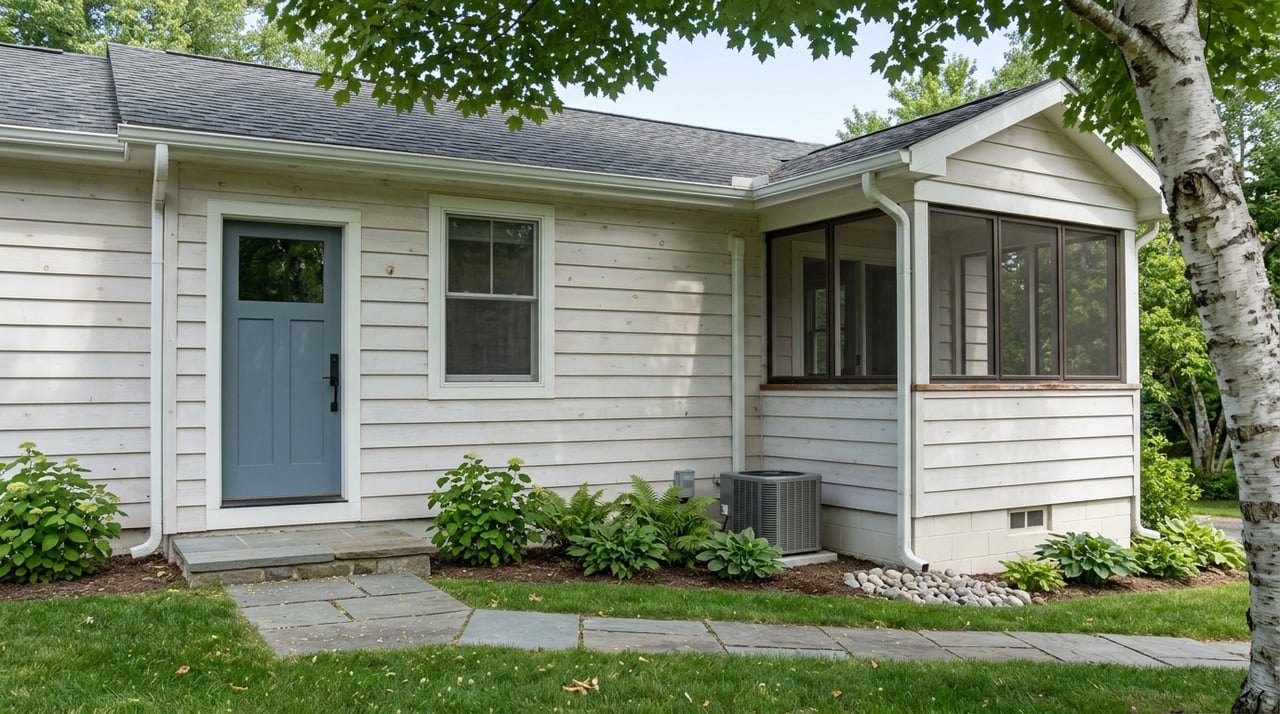
Dreaming about a cottage on Chautauqua Lake? In Dewittville, that dream can be very real, but lakefront and lake-access properties often come with details that matter far more than they would on a typical inland home. If you want a place that fits your lifestyle, budget, and long-term plans, it helps to understand the lot, the shoreline rules, the utilities, and the seasonal realities before you make an offer. Let’s dive in.
Why Dewittville Appeals to Cottage Buyers
Dewittville sits along the northeast shoreline corridor of Chautauqua Lake in the Town of Chautauqua. According to the Town of Chautauqua waterfront planning documents, this area is one of the lake’s residential clusters, with Dewittville Creek entering the lake near the border with Ellery.
That setting is a big part of the appeal. Chautauqua Lake is a long, narrow inland lake with about 43 miles of shoreline, and it is used for swimming, boating, fishing, and drinking water. For many buyers, that means Dewittville offers the kind of lake lifestyle that feels relaxed and practical, whether you want a summer retreat or a property you can use more often.
The cottage style around this part of the lake also has a distinct character. Nearby Point Chautauqua’s history shows how many local lake communities developed from earlier resort and vacation patterns, with older wood-frame homes and cottage-era styles that still influence the housing stock today, according to LivingPlaces. In simple terms, you may find older, more compact homes and smaller lots rather than newer suburban-style parcels.
Know What “Lake Access” Really Means
One of the biggest mistakes buyers make is assuming that every listing with “lake access” offers the same rights and usability. In Dewittville, the difference between deeded frontage, shared access, and informal permission can be significant.
The Town of Chautauqua regulates shared-access arrangements carefully. Under the town zoning code, if lake access is granted to people who do not own a separate lakefront lot, the waterfront parcel generally must meet certain size and use standards, and larger shared-access arrangements may require added frontage plus separate swimming and boating areas.
That matters because the words in a listing are only the starting point. Before you move forward, you should confirm whether the waterfront rights are deeded, subject to an easement, controlled by an HOA or association, or simply allowed by a private understanding. Reliable access should be documented, not assumed.
Shoreline Rules Can Shape the Property
A Dewittville cottage lot may look simple at first glance, but lakefront zoning can affect how you use the property. The Town of Chautauqua’s code generally requires buildings other than boathouses to be set back at least 40 feet from the shoreline, and it allows one boathouse up to 16 feet high and one dock on noncommercial waterfront property, as outlined in the waterfront zoning regulations.
For buyers, that often means the buildable or usable layout is more limited than expected. A lot may feel narrower, more constrained, or less flexible than an inland parcel of similar size. If you are hoping to expand, rebuild, add outdoor features, or change a shoreline structure later, these rules become especially important.
This is also why a current survey matters. Chautauqua County’s GIS Parcel Viewer can help you understand parcel shape, roads, waterways, and municipal context, but the county clearly states that GIS maps are not surveys and should not be used to establish boundary lines. For a cottage purchase, deed review and a current survey are far more reliable than a screenshot.
Check Utilities Early
Utilities can make a major difference in both ownership costs and day-to-day convenience. Some cottages may be connected to public systems, while others rely on private well and septic.
The town code says that where public water supply or public sewer is available, new dwellings and other new principal buildings must connect to those systems under the Town of Chautauqua code. Even if the home you are buying is older and not subject to a new-build requirement, you still want to verify what the property currently uses.
This affects more than monthly bills. It also affects inspections, maintenance planning, repair responsibility, and whether the home works comfortably for year-round living. A cottage with private systems may be perfectly workable, but you should go in with clear expectations.
Understand Well and Septic Transfer Rules
If the property uses private water or onsite wastewater treatment, the transfer process can involve county-required inspections. In Chautauqua County, a Water Sewage Survey is required when a property is sold or transferred.
The level of inspection depends on the system’s age and history. Recently installed systems may receive a dye test and visual observation, while systems older than 30 years or those installed without a county permit may require a more involved inspection with components uncovered and septic tanks pumped in the presence of county staff.
Timing matters here. The county recommends applying about 60 days before closing, which is an important detail if you are trying to stay on schedule with financing and move-in plans. A delayed septic or water review can slow down the entire transaction.
Seasonal Inspection Timing Matters
Cottage purchases do not always line up neatly with the calendar. In Chautauqua County, seasonal occupancy can affect whether a wastewater inspection can be completed on time.
According to the county’s Water Sewage Survey application guidance, wastewater systems usually must have been occupied continuously for 30 days before and 7 days after inspection, or, for a seasonal property, at least 6 days within the previous 60 days. The county also notes that dye tests are not completed from December 1 through April 1.
For you as a buyer, this means an off-season closing may require more planning than expected. If the cottage is winterized, vacant, or only opened occasionally, ask early whether it can be occupied and inspected within the county’s required timeline.
Ask If It Is Truly Year-Round
A charming lake cottage and a practical four-season home are not always the same thing. Around Dewittville, many properties were originally built for seasonal use, not full-time living.
That local pattern is consistent with the area’s resort history described by LivingPlaces. As a result, buyers should look closely at insulation, heating systems, plumbing freeze protection, storage, and winter access before assuming a cottage will function well in every season.
If you only want summer and shoulder-season use, that may be perfectly fine. Even then, you should still confirm how the home is winterized, what it takes to reopen it in spring, and whether those costs fit your budget.
Pay Attention to Water and Shoreline Conditions
Life on the lake is about more than the house itself. Your day-to-day experience also depends on shoreline conditions, water quality, and lake management realities.
The New York State DEC describes Chautauqua Lake as a Class A waterbody and drinking-water source, and it also manages issues involving harmful algal blooms and invasive aquatic plants through the Chautauqua Lake watershed program. If swimming, paddling, or dock use is important to you, ask how the shoreline typically performs in mid-to-late summer and whether vegetation or advisories have affected use.
This is not necessarily a deal-breaker. It is simply part of buying smart on a lake. The more clearly you understand the frontage and seasonal shoreline conditions, the fewer surprises you will face after closing.
Review Flood Risk Separately
Flood risk deserves its own review, even if the home inspection goes well. Standard homeowners insurance usually does not cover flood damage.
FEMA explains that flood insurance is a separate policy, and in higher-risk areas, lenders may require coverage. There can also be a waiting period before a new flood insurance policy takes effect.
For a Dewittville cottage, this is worth checking early in the process. A property near the water may or may not require flood insurance, but you do not want to discover an added insurance cost or lender requirement at the last minute.
A Simple Dewittville Cottage Checklist
Before you write an offer, try to confirm these core items:
- Whether the waterfront is deeded, shared, or controlled by an association
- Whether the lot appears to comply with local shoreline and access rules
- Whether the home uses public water and sewer or private well and septic
- Whether septic permits, maintenance records, and pumping history are available
- Whether county transfer inspections can be completed on the closing timeline
- Whether a current survey has been ordered instead of relying on GIS alone
- Whether flood insurance may be required
- Whether the home is best suited to seasonal use or year-round occupancy
A Dewittville cottage can be a wonderful fit, but the right purchase usually comes down to details. When you understand the lot, systems, access, and seasonal use from the start, you can move forward with much more confidence.
If you are thinking about buying on Chautauqua Lake, working with a local agent who understands lakefront details can make the process much smoother. To talk through Dewittville cottages, seasonal homes, or year-round lake properties, connect with Hanna Briggs.
FAQs
What should you verify before buying a Dewittville cottage with lake access?
- You should verify whether the access is deeded, shared by easement, controlled by an HOA or association, or simply permitted informally, because those rights can affect how reliably you can use the waterfront.
What inspections are required for a Dewittville cottage with private well or septic?
- In Chautauqua County, properties with private water or onsite wastewater systems generally require a Water Sewage Survey at transfer, and older or unpermitted systems may need a more involved inspection.
What makes a Chautauqua Lake cottage in Dewittville seasonal versus year-round?
- The biggest factors are usually insulation, heating, plumbing freeze protection, storage, and winter access, especially since many lake cottages were originally designed for seasonal use.
Why do you need a survey when buying a Dewittville lake cottage?
- A current survey helps confirm boundaries and usable lot layout because the county’s GIS mapping tool is helpful for reference but is not a legal survey.
Does a Dewittville waterfront cottage need flood insurance?
- Some properties may, and some may not, so you should check FEMA flood maps and lender requirements early because flood insurance is separate from standard homeowners insurance.