Trying to choose between Lakewood and Celoron for your Chautauqua Lake home? It is a smart question, because while both villages offer lake access and a close connection to the water, they can feel very different in daily life. If you are weighing lifestyle, home values, convenience, and recreation, this guide will help you compare the two with a clearer lens. Let’s dive in.
Lakewood and Celoron at a glance
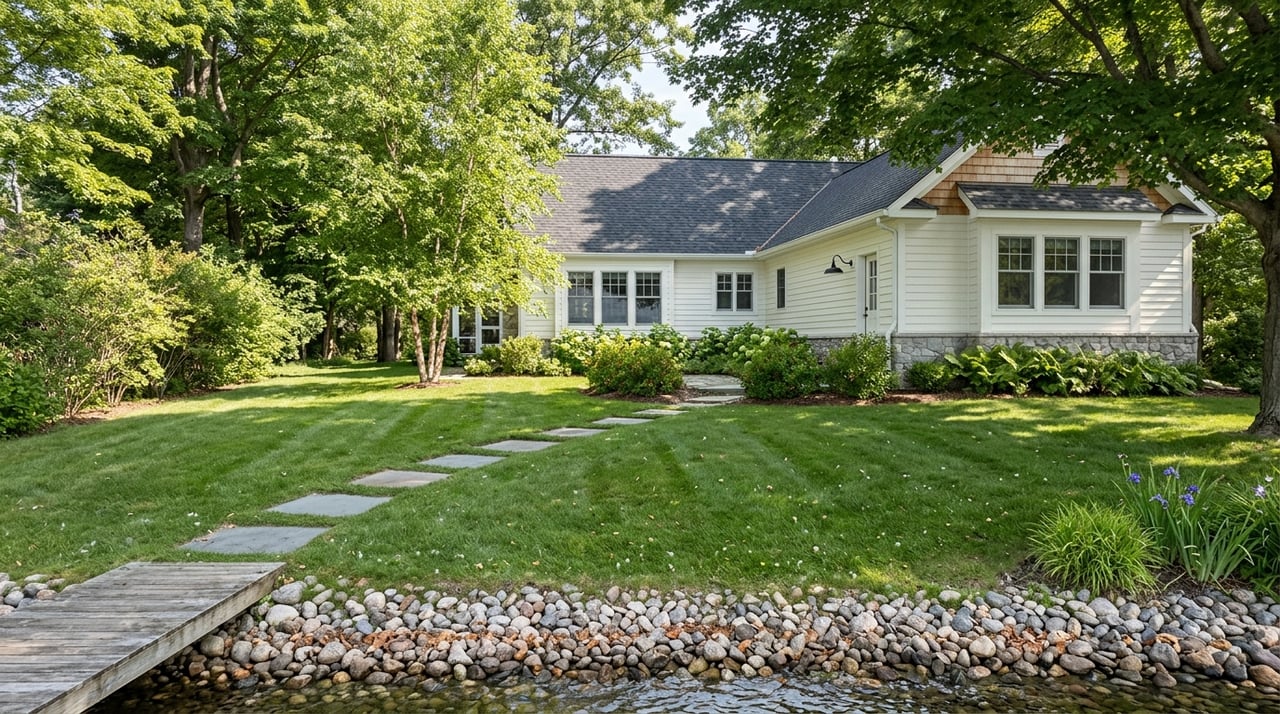
Both Lakewood and Celoron are incorporated villages on Chautauqua Lake, a 17-mile recreational lake with more than 13,000 acres, public launches, and multiple marinas, according to the Chautauqua County tourism bureau. That shared lake setting is a big part of the appeal in both places.
The difference starts with scale. Census Reporter data for Lakewood shows 2,957 residents, 1,767 housing units, and 1,375 households across about 2 square miles, while Celoron has 1,397 residents, 643 housing units, and 605 households across about 0.7 square miles. In simple terms, Lakewood is the larger, more built-out village, while Celoron is smaller and more compact.
Home style and pricing differences
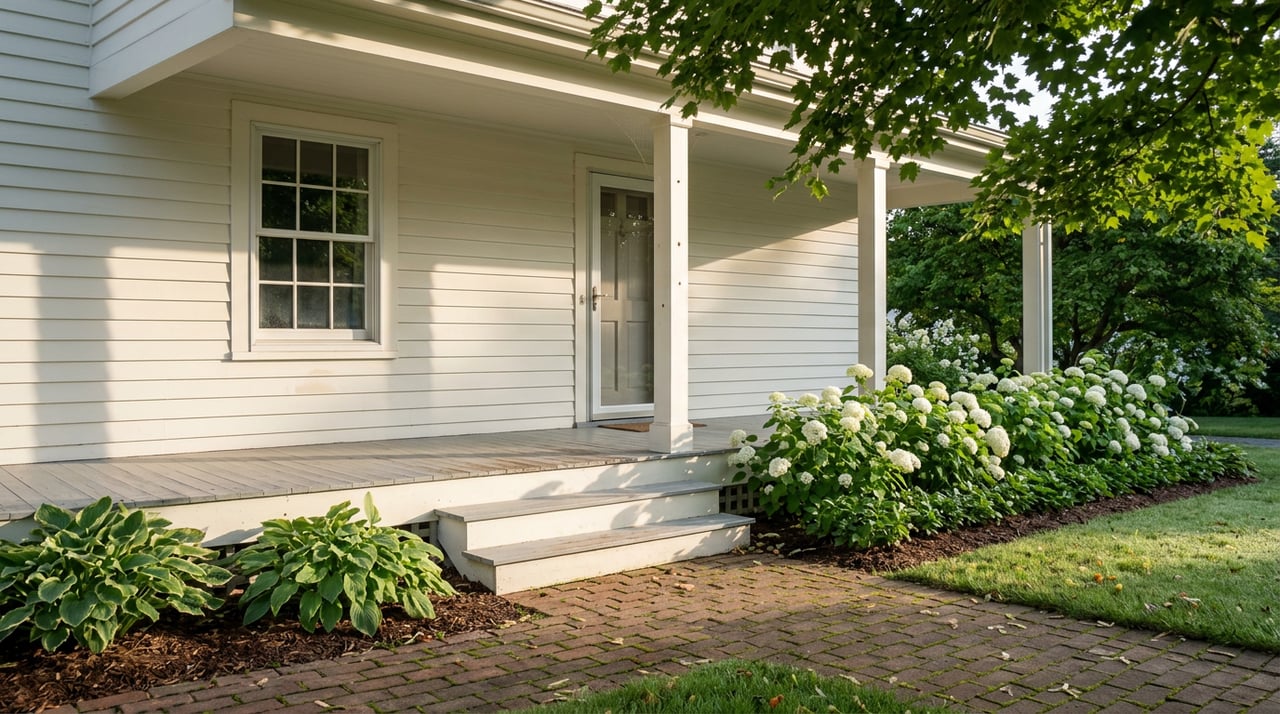
If home character matters to you, Lakewood and Celoron present different impressions. Lakewood’s village website highlights turn-of-the-century Victorian homes and cottages, which points to a more established residential setting with historic architectural character.
Celoron’s official materials focus more on public lakefront, park space, and marinas than on a historic housing inventory. That suggests a village identity that feels more centered on the waterfront itself and the amenities around it, rather than on a broad range of older residential streetscapes.
Pricing trends also separate the two. Data USA’s Lakewood profile shows ACS-based median owner-occupied home values of $158,500 in Lakewood compared with $92,700 in Celoron. Homeownership is also slightly higher in Lakewood at 64.4%, compared with 59.8% in Celoron.
Recent market snapshots point in the same direction, but they should be read carefully because the sample sizes are small. Redfin’s Lakewood housing market page shows a median sale price of $340,000 in February 2026 based on 3 homes sold, while Celoron shows $107,000 in December 2025 based on 1 home sold. That is useful as directional context, not as a definitive market average.
A practical takeaway is this: Lakewood appears to sit at the higher-price end of the pair, while Celoron tends to show a lower-value or more variable profile. If you are shopping by budget first, that may make Celoron worth a closer look. If you are prioritizing a broader village setting and historically styled housing, Lakewood may rise to the top.
Everyday amenities in Lakewood
Lakewood stands out for its wider range of daily-use amenities. According to the Village of Lakewood, the village includes a public beach, parks and playgrounds, a library, a farmers market, lighted tennis courts, pickleball courts, baseball fields, boat launches, and a community sailing facility.
That list matters because it shapes how a place feels when you are not actively out on the boat. Lakewood also describes itself as having a vintage main street and a regional shopping district, which gives it a broader day-to-day services package than many small lake communities.
For buyers who want a home base that supports year-round living, errands, recreation, and easy access to local amenities, Lakewood offers a more layered experience. You still get the lake, but you also get a village that functions as more than just a waterfront stop.
Waterfront focus in Celoron
Celoron has a more concentrated waterfront and park identity. The Village of Celoron says it has more than 2,000 feet of public lakefront, a seven-acre park, and Lucille Ball Memorial Park with a boat launch, docks, lighthouse, bandshell, pavilion, grills, playground, boardwalk, basketball court, community center, and kayak launch.
That public lakefront presence gives Celoron a distinct feel. Rather than spreading amenities across a larger village footprint, the experience is more centered around the shoreline, the park, and lake recreation.
Celoron also has a strong marina connection. Holiday Harbor Marina offers 180 slips, sales and service, storage, and a waterfront restaurant, which makes the village especially appealing if boating is high on your priority list.
If your ideal Chautauqua Lake lifestyle is tied closely to marinas, launches, park space, and being near the water’s edge, Celoron may feel like a very natural fit.
Commute and convenience factors
Lifestyle is important, but convenience matters too. Data USA estimates average commute times of 20.6 minutes in Lakewood and 13.2 minutes in Celoron. In both villages, about 8 in 10 workers drive alone, and the average household has about 2 cars.
Lakewood’s official site also emphasizes access to I-90, I-86, Route 394, and proximity to Jamestown. That suggests stronger regional connectivity for buyers who want easier highway access beyond the immediate south shore.
Celoron’s location and shorter average commute may appeal if your routine stays close to Jamestown or the south-shore corridor. While both villages offer lake living, the practical rhythm of your week may feel different depending on where you spend most of your time.
Which village fits your lifestyle?
The easiest way to compare Lakewood and Celoron is to think less about whether each one is lake-oriented, because both are, and more about how you want your surroundings to function.
Lakewood may be the better fit if you want:
- A larger village setting
- More everyday amenities in one place
- Historically styled homes and cottages
- A somewhat higher-price housing profile
- Stronger highway access and regional connectivity
Celoron may be the better fit if you want:
- A smaller, more compact village feel
- Strong public lakefront access
- Easy proximity to park and marina amenities
- A generally lower ACS-based housing-value profile
- A lifestyle that revolves more tightly around boating and waterfront recreation
What buyers should keep in mind
If you are buying in either village, small-market data can be tricky. Sale prices can shift quickly when only a few homes trade in a given month, so broad trends are more reliable than any single snapshot.
That is especially true on and around Chautauqua Lake, where location, frontage, views, dock setup, and seasonal use can all affect value. Two homes in the same village can live very differently and price very differently based on those details.
This is where local guidance matters. When you compare Lakewood and Celoron, the right choice is not just about average numbers. It is about how you want to use the property, how often you will be there, and what kind of daily setting feels right for you.
If you are considering a move on Chautauqua Lake, Hanna Briggs can help you compare village lifestyle, property options, and market context so you can make a confident decision.
FAQs
What is the main difference between Lakewood and Celoron on Chautauqua Lake?
- Lakewood is generally the larger village with more everyday amenities and historically styled housing, while Celoron is smaller and more centered on public lakefront, parks, and marina access.
Is Lakewood more expensive than Celoron for homebuyers?
- Based on ACS home value data and recent small-sample market snapshots, Lakewood appears to trend higher in home values than Celoron, though individual property features can strongly affect pricing.
Does Celoron offer good lake access for Chautauqua Lake buyers?
- Yes. Celoron has more than 2,000 feet of public lakefront, Lucille Ball Memorial Park, a boat launch, docks, and nearby marina access.
Is Lakewood better for year-round living in Chautauqua County?
- Lakewood may appeal to buyers who want a broader mix of daily amenities, including parks, a library, sports courts, a farmers market, shopping, and highway access.
How should you choose between Lakewood and Celoron when buying a home?
- Start with your priorities: budget, boating needs, preferred village size, commute patterns, and whether you want broader day-to-day amenities or a more concentrated waterfront setting.