Imagine waking up to soft lake light, grabbing coffee on Chautauqua Avenue, and strolling a few minutes to Hartley Park for a swim or paddle. By afternoon you could be out sailing off the village beach, and by evening you are dining steps from the water. If you are weighing a move or a seasonal home on Chautauqua Lake, Lakewood gives you that easy lakeside rhythm with walkable amenities. This guide shows you how the lifestyle, housing options, and key rules come together so you can buy or sell with confidence. Let’s dive in.
Why Lakewood on Chautauqua Lake
Lakewood sits on the south shore of Chautauqua Lake, just west of Jamestown, with quick access to regional anchors like the Chautauqua Institution’s summer season of lectures and performances. If you want a place that blends small‑town charm and lake access, you will find it here. The village highlights parks, a beach, lighted tennis and pickleball courts, a library, and a regular farmers market that make everyday life feel easy and connected.
To help you plan a visit, review the Chautauqua Institution overview for seasonal programming and logistics in the broader region at the institution’s official FAQs page. You can reach it at Chautauqua Institution visitor FAQs.
Waterfront lifestyle at a glance
Lakewood’s public waterfront is a day‑to‑day anchor. Hartley Park offers a lakeside playground, beach swimming, and tennis courts. Community Park includes a public boat launch and docks, and several neighborhood parks round out the green space network. You can see park details on the village’s Parks and Recreation page.
Nearby, full‑service marinas around Chautauqua Lake offer seasonal slips, rentals, and service. Slip availability can vary, so it pays to plan early. For a quick look at launch and marina options across the lake, browse the county’s visitor guide listing for marinas and the Lakewood boat launch.
Sailing, paddle, and beach days
Lakewood has an active community sailing scene. The Chautauqua Lake Community Sailing Foundation runs youth and high‑school programs right off the village beach, plus lessons and regattas that bring energy to the shoreline. Learn more or plan lessons through the foundation at the Chautauqua Lake Community Sailing Foundation.
Dining and shopping by the water
Lower Chautauqua Avenue functions as Lakewood’s lakeside main street. You can browse boutiques, enjoy year‑round restaurants like Stella, and catch the seasonal farmers and artisans market run by the village. Dates and vendor details are posted on the Lakewood Farmers Market page.
Neighborhoods and home types
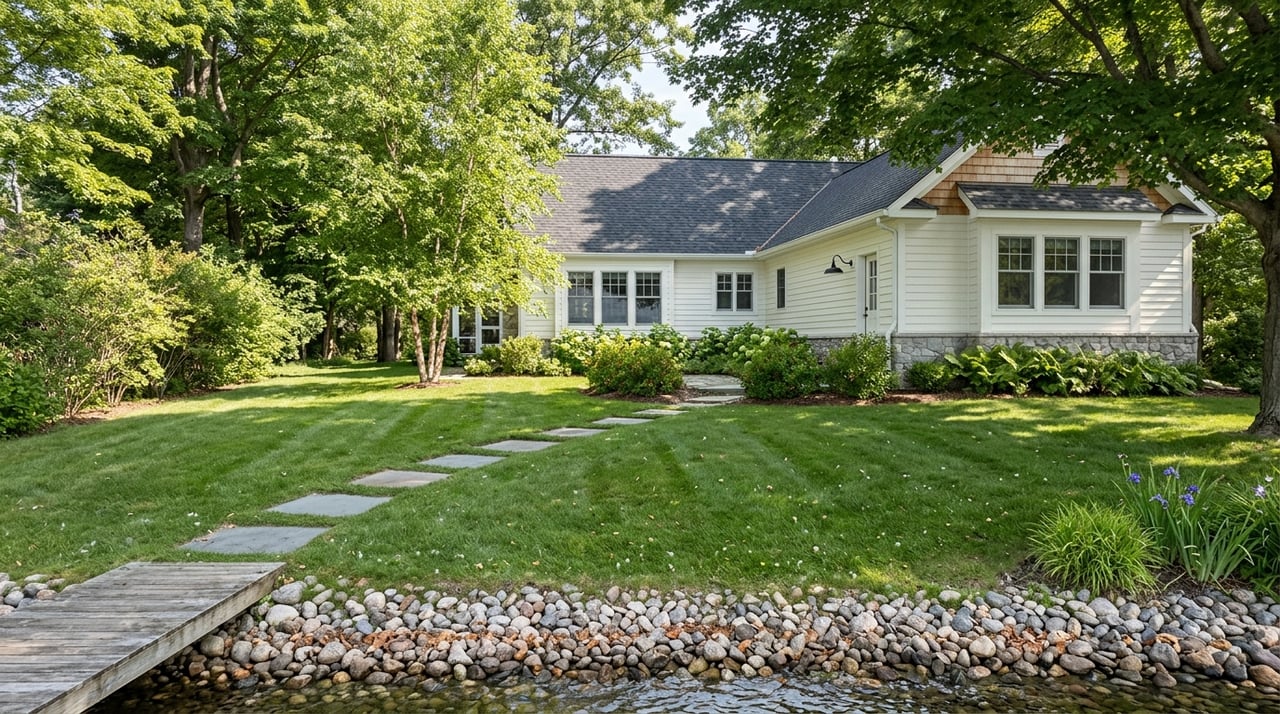
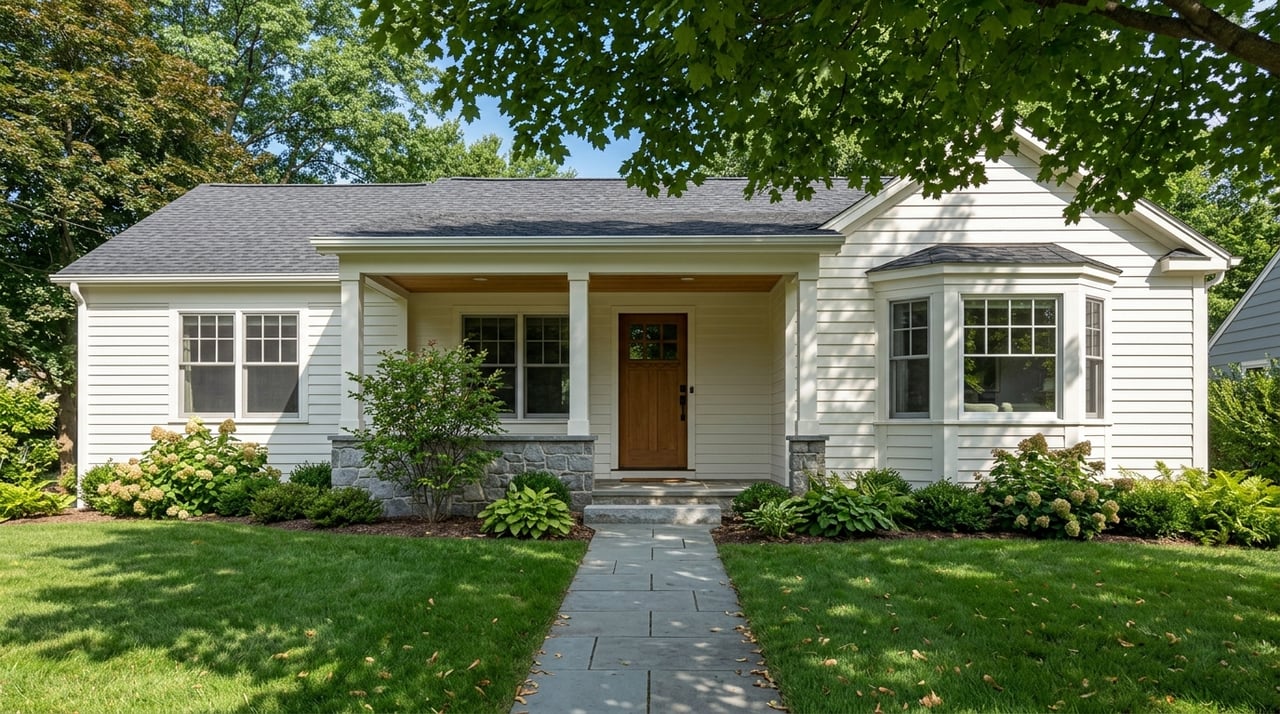
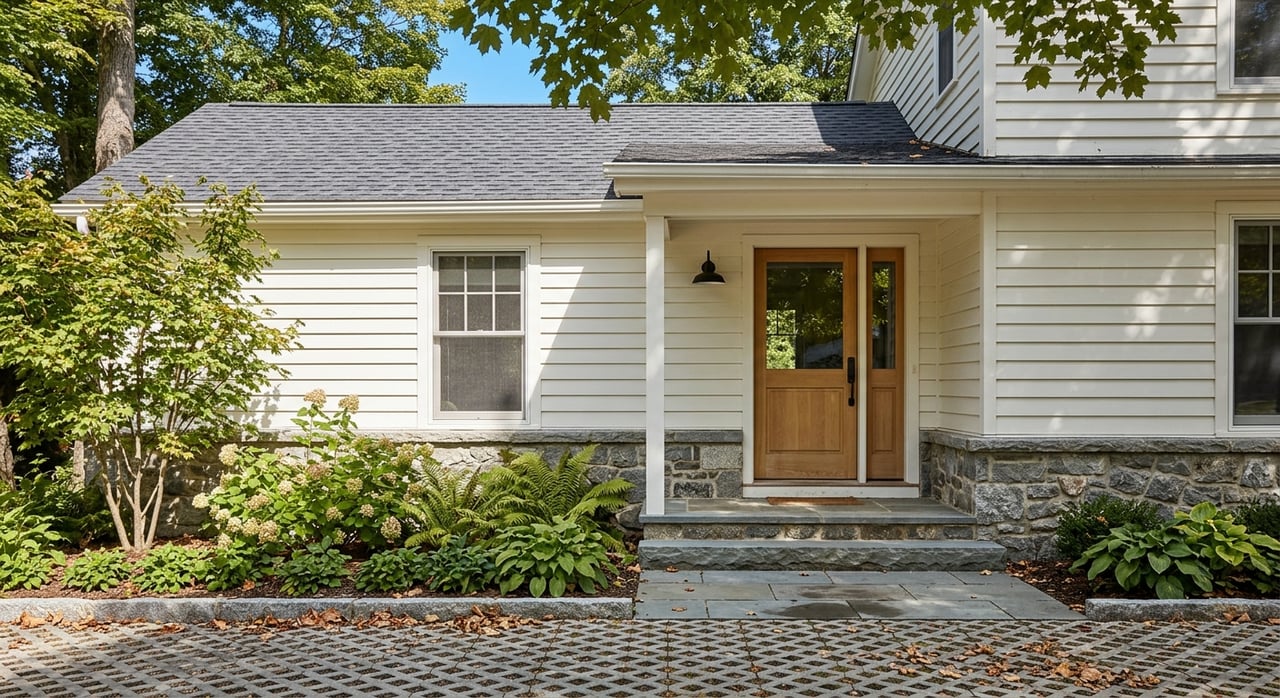
Lakewood’s housing reads classic Chautauqua Lake: turn‑of‑the‑century Victorians, tidy lakeside cottages, and a growing number of renovated or new lakefront builds on suitable lots. Along and near Chautauqua Avenue and the lakefront, you will find homes with period details, broad porches, and walkable access to parks and dining.
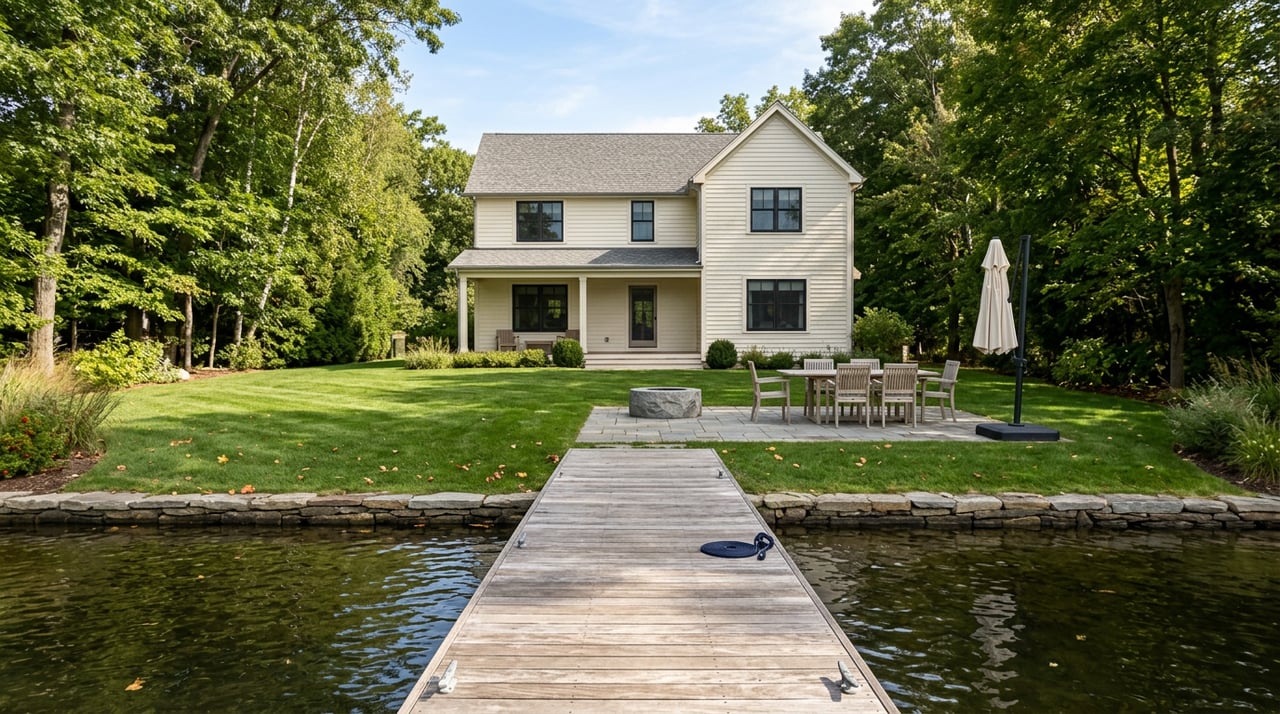
- On‑the‑water parcels: Direct shoreline, often with small private docks and patios. These command a premium and move differently than the broader village market.
- Near‑lake blocks: A short walk to Hartley Park or the public docks, with a mix of cottages and larger single‑family homes.
- Inland streets: More suburban lots, driveways, and yard space while keeping quick access to the lake and Jamestown services.
Market snapshot and timing
Recent data snapshots for ZIP 14750 show median home prices ranging from the low‑to‑mid $200,000s to the upper $200,000s, depending on the source and month. Waterfront and fully renovated homes often list above village medians. Inventory for true waterfront is typically limited, and summer brings more out‑of‑market buyers. If you are timing a purchase or sale, plan ahead for seasonal swings and be ready when the right property appears.
Lakewood shoreline rules and permits
Before you alter a shoreline home or build new, get familiar with the village’s lakeshore regulations.
- 50‑foot setback: The zoning code states that no principal inhabited structure is permitted within 50 feet of the shoreline. Accessory buildings within 50 feet can be considered by special permit with criteria for size, anchoring, and visibility.
- Private, noncommercial docks: Residential docks are for private pleasure use only.
- Shoreline work: Bulkheads, break walls, and similar projects must comply with New York State Department of Environmental Conservation requirements. Some projects may also need coordination with the U.S. Army Corps of Engineers.
You can review the official language in the village’s zoning code at Lakewood Zoning Code, Chapter 25.
Floodplain and insurance
Many lakefront parcels fall within mapped flood areas. The zoning text references National Flood Insurance Program compliance. As a buyer or seller, plan to check FEMA flood maps for the parcel and obtain flood‑insurance quotes early. If your property is in an overlay district, permits and construction standards will apply. The village’s code enforcement team can help interpret site‑specific requirements. See the floodplain references within the Lakewood Zoning Code.
Water, sewer, and lake stewardship
Chautauqua Lake’s health is a shared priority across local organizations and governments. The Chautauqua Lake & Watershed Management Alliance coordinates projects that include invasive‑species monitoring, aquatic plant management, and watershed improvements. To understand current monitoring and stewardship efforts, review the alliance’s overview of starry stonewort and lake projects.
Infrastructure also matters for long‑term waterfront value. Local governments have invested in stormwater improvements and in expanding municipal sewer around portions of the lake, which can reduce nutrient loads over time. For context on a Lakewood stormwater project, see the county’s update on a stormwater project to reduce flooding in Lakewood. Ask early whether a parcel is on municipal sewer or septic, and whether any connection projects or assessments affect the property.
Before you buy: a waterfront checklist
Use this quick checklist to make a smart offer on Chautauqua Lake.
- Shoreline status and rights: Confirm the exact shoreline line, any shared access or easements, and whether a private dock exists or can be permitted. Review village rules in the Lakewood Zoning Code.
- Setbacks and permits: Verify the 50‑foot lakeshore setback and whether any accessory structures require a special permit. Plan a pre‑contract or pre‑listing code check with the village.
- Flood risk and insurance: Pull the FEMA map for the parcel and request insurance quotes if it is in a mapped flood zone. The zoning code references NFIP standards for compliance.
- Sewer vs septic: Determine if the home connects to municipal sewer or uses a private system. Ask about existing or upcoming projects and any capital assessments.
- Boat access: If boating is essential, verify slip availability and contract type for nearby marinas, plus pump‑out and service options. The county guide lists launches and marinas on Chautauqua Lake.
- Water quality expectations: Aquatic plant growth and harmful algal blooms can vary by year and season. Plan an in‑season visit and review background from the Chautauqua Lake & Watershed Management Alliance.
- Maintenance planning: Budget for shoreline stabilization, dock repair or replacement, winterizing watercraft, and potentially higher insurance costs that come with waterfront living.
Selling a waterfront home
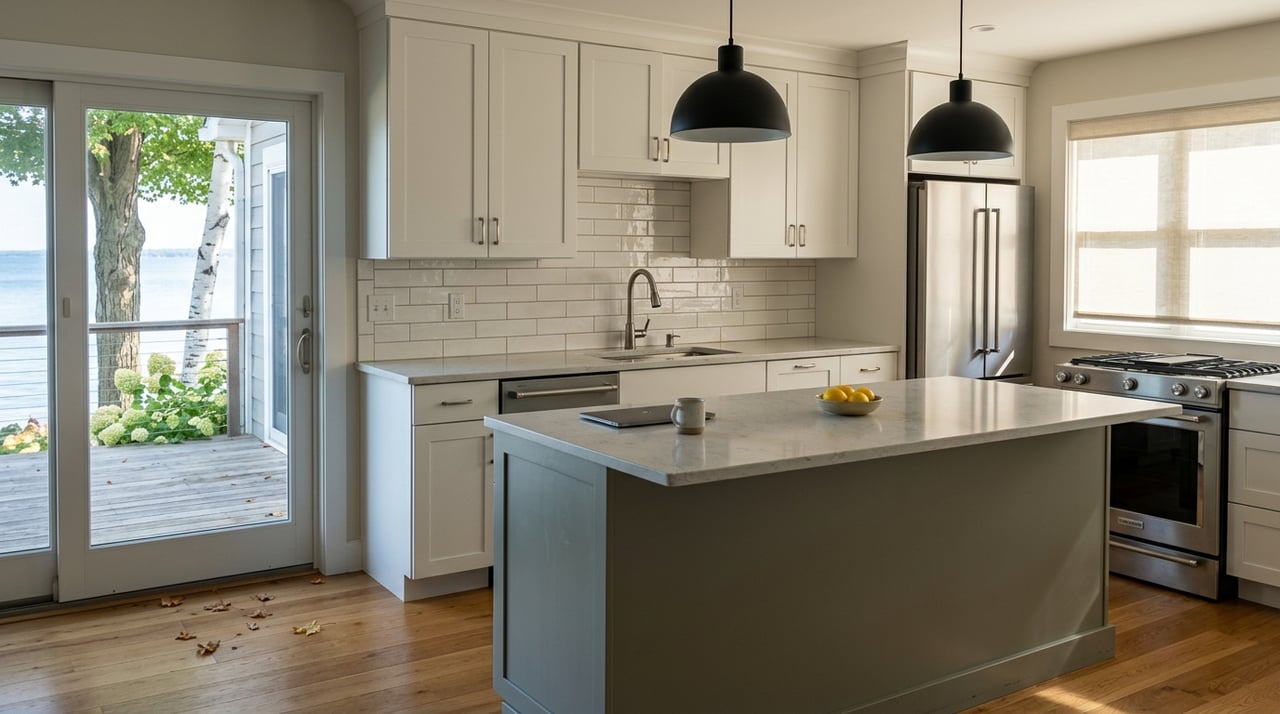
Position your property with clarity and confidence. Gather shoreline and dock permits, flood and insurance documents, and any sewer or septic records before you list. A quick code review with the village can identify setback or accessory‑structure questions early. In marketing, highlight walkability to Hartley Park, Community Park docks, and dining on Chautauqua Avenue. Strong lifestyle visuals that show patio‑to‑water views and dock access help out‑of‑market buyers picture daily life.
Plan your visit
If you are new to the region, pair a Lakewood walk with a spin to Jamestown’s cultural attractions and an evening event at the Chautauqua Institution. Start with a morning at Hartley Park or the public docks, grab lunch on Chautauqua Avenue, and check marina options or sailing programs if boating is a priority. A short, well‑planned visit will quickly confirm whether this is the right stretch of shoreline for you.
Work with a local expert
Lakewood’s charm is in the details. From understanding the 50‑foot setback to navigating seasonality and slip logistics, local guidance saves you time and stress. If you are ready to explore lakefront or near‑lake homes, or want a premium plan to sell, connect with Hanna Briggs for boutique, data‑informed guidance and hands‑on service.
FAQs
What is living in Lakewood like in summer and winter?
- Summers are lively with beach days, sailing programs, marinas, and a seasonal farmers market near Chautauqua Avenue. Winters are quieter, with year‑round dining and easy access to Jamestown services.
What are Lakewood’s key lakeshore building rules?
- The zoning code states no principal inhabited structure within 50 feet of the shoreline, with accessory structures by special permit and private, noncommercial dock use. See details in the Lakewood Zoning Code.
Where can I launch or dock a boat in Lakewood?
- The village operates a public boat launch and docks at Community Park, and nearby marinas around Chautauqua Lake offer seasonal slips, rentals, and service. Review options in the county marinas and launches guide.
How is water quality managed on Chautauqua Lake?
- Local partners coordinate aquatic plant management, invasive‑species monitoring, and watershed projects. For context, visit the Chautauqua Lake & Watershed Management Alliance’s page on lake projects and monitoring.
Are there public beaches and parks in Lakewood?
- Yes. Hartley Park features a public beach, playground, and tennis courts, and the village maintains several parks and public docks. See the Parks and Recreation page for locations and amenities.
What should buyers know about flood insurance near Chautauqua Lake?
- Some lakefront parcels fall in mapped flood zones and require NFIP‑compliant standards. Check the FEMA map for the address and obtain quotes early, then confirm local requirements with the village as outlined in the Lakewood Zoning Code.