What does day-to-day life feel like near the Chautauqua Institution? If you picture a walkable summer village that turns peaceful and low-key for most of the year, you’re close. Whether you’re dreaming of a second home or a year-round base, understanding the Institution’s rhythm helps you plan your lifestyle. In this guide, you’ll get a clear view of seasons, services, and housing so you can decide what fits you best. Let’s dive in.
Chautauqua Institution at a glance
The Chautauqua Institution is a 750-acre lakeside community known for its nine-week Summer Assembly, which runs from late June through late August. According to the Institution, peak days bring thousands of people in residence and a full slate of events across the grounds. You’ll find a set daily rhythm in summer with the Chautauqua Lecture Series typically at 10:45 a.m. Monday through Friday, followed by afternoon programs and evening entertainment. For background and mission, explore the Institution’s overview on its About page, and see a sample of the daily cadence on the Lecture Series page.
Summer rhythm on and near the grounds
In summer, the grounds feel like a compact, walkable village. Bestor Plaza and the waterfront anchor food, retail, and cultural life, and shuttles make it easy to get around. Access works through gate passes and tickets, and parking and mobility plans are organized for the season. If you plan to come and go often, review current rates, gate passes, parking, and dock rules to keep your days smooth.
Shoulder season and fall pace
After the Assembly ends, foot traffic drops quickly and some seasonal eateries scale back. That said, fall foliage, weekenders, and occasional special events keep the area active. The Institution has also begun hosting select post-season performances, such as a major concert announced for September 2025. See an example of that expansion in this post-season concert announcement.
Winter and spring living
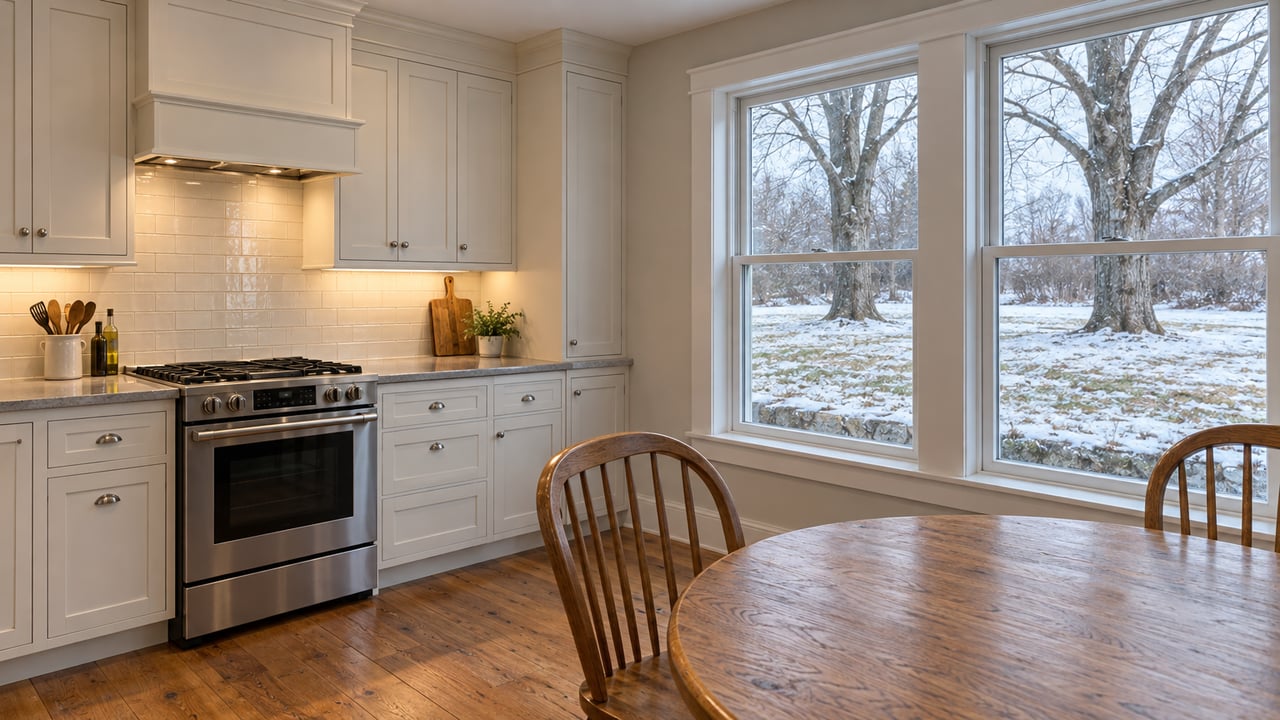
Winters are quieter. Many seasonal businesses close or reduce hours, while year-round services and community life continue among a stable winter population. Local reporting highlights ongoing social ties and volunteer spirit through the off-season, offering a sense of continuity for full-time residents. For a feel of that community thread, read this Chautauquan Daily piece.
Spring brings a gradual reactivation of marinas, restaurants, and seasonal retail. If you’re considering a cottage, spring is a smart time to assess heating, insulation, and weatherproofing so you know how the home performs year-round.
Day-to-day errands and dining
You’ll find seasonal dining and services on the grounds, especially around Bestor Plaza. The historic Athenaeum Hotel’s restaurant provides a seasonal full-service option for on-grounds meals and special occasions. Explore menus and setting through the Athenaeum Hotel’s Heirloom Restaurant.
Nearby, small-town convenience is close at hand:
- Mayville: A practical hub for groceries, marinas, and casual dining north of the grounds.
- Bemus Point: A compact lakeside village with year-round businesses and several seasonal restaurants. Browse listings on the Visit Bemus Point directory.
- Lakewood and Jamestown: Primary centers for larger retail, health care, banks, and supermarkets within a 10 to 25 minute drive.
Everyday recreation on Chautauqua Lake
Summer invites boating, paddling, and fishing, with public launches and marinas around the lake. In winter, ice fishing and snowmobiling are popular when conditions allow. For a practical overview of boating and marinas, check the Chautauqua Lake directory. If you plan to keep a boat on or near the grounds, note that mooring and dock assignments are coordinated seasonally, and details appear on the Institution’s rates and fees page.
Housing types you’ll see nearby
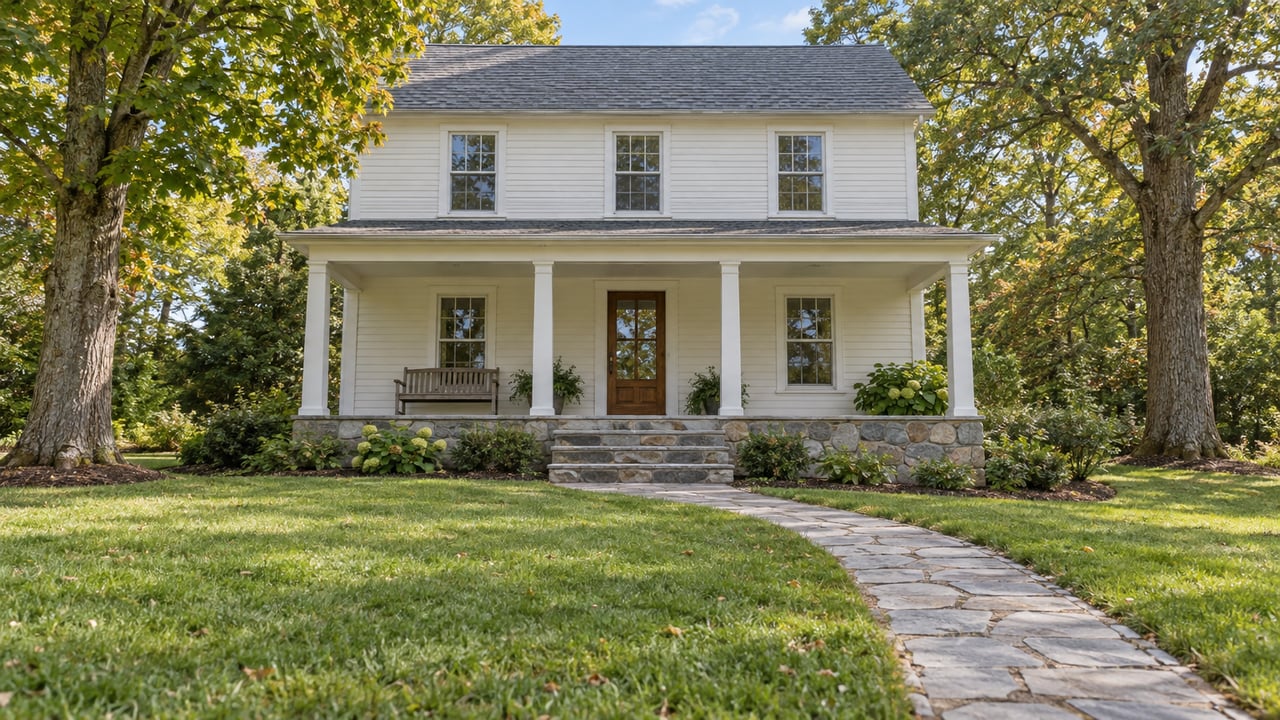
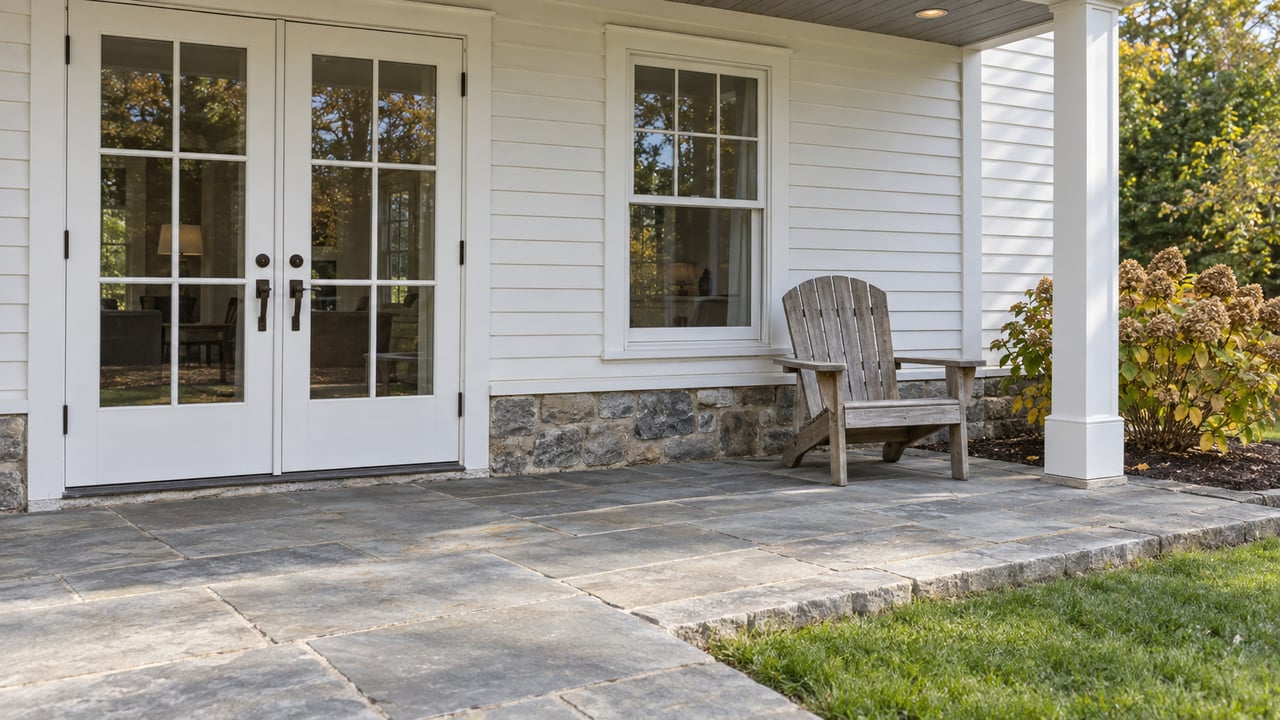
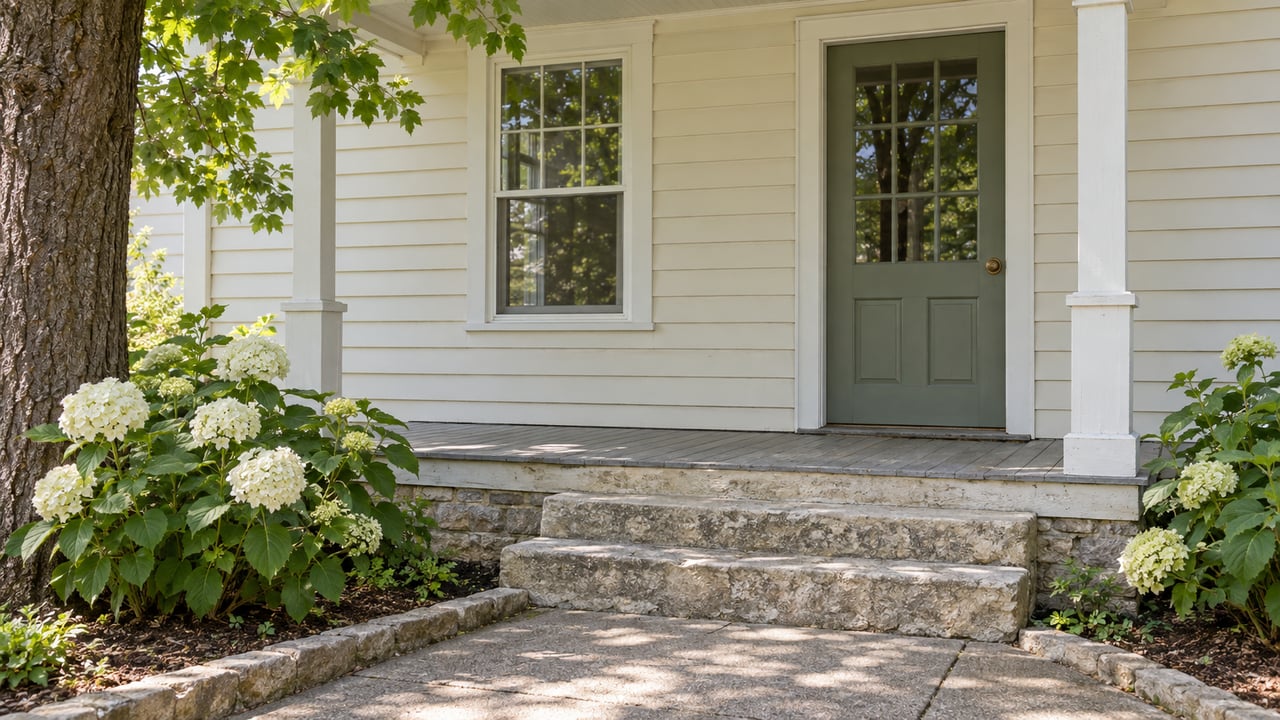
On the grounds, you’ll find a well-preserved collection of late 19th and early 20th century cottages, along with historic inns and public buildings. The core is recognized as a National Historic Landmark District, and the architecture favors clapboard and shingle cottages with inviting porches. Learn more in this historic district summary.
Around the lake, housing ranges from vintage cottages to year-round single-family homes, plus condos and newer suburban-style options in nearby towns. Inventory for on-grounds homes is often limited, and demand can be high during peak seasons. Expect varying maintenance and winterization profiles across property types, which affects everyday comfort and carrying costs.
How residents and second-home owners use the area
Many second-home owners focus their stays during the Summer Assembly, often timing visits with weekly themes and a predictable daily schedule. You can sample that cadence by scanning the morning lecture calendar. Others extend into September or enjoy spring and fall weekends for a quieter lake experience. For those who want to stay connected all year, the Institution’s digital platform, CHQ Assembly, brings lectures and performances online, as described in this program announcement.
A smaller but steady year-round community keeps social life going in the off-season with book clubs, faith communities, and local activities. Winter rhythms are calmer, with outdoor options shaped by weather.
Is this lifestyle a fit for you?
If you love walkable summer days filled with lectures, performances, and lake time, living on or near the Institution fits beautifully. If you value quiet winters with nearby access to bigger-town services, the broader Chautauqua Lake area may be ideal. Many buyers mix both modes, spending core weeks in summer and returning for shoulder-season weekends.
Buyer checklist for everyday living
Use this quick list to stress-test a property against your goals:
- Access and passes
- Will you be on the grounds often during the nine-week season? Review gate passes, parking, and shuttles to understand daily logistics.
- Year-round comfort
- For cottages, confirm full heating, insulation, and winter plumbing protection. Ask about roof age, windows, and access in heavy snow.
- Errands and services
- Map your weekly needs. Decide if you prefer walking to seasonal markets or driving to year-round services in Mayville, Lakewood, or Jamestown.
- Recreation fit
- Are you a daily-programming person or a quiet-lakeside person? Check the summer schedule and plan accordingly.
- Boating logistics
- Ask about dock rights or mooring options. Review seasonal rules on the Institution’s rates and fees page.
- Legal and title details
- For any on-grounds cottage, request parcel-level title documents, covenants, and rules. Because arrangements can vary, verify records with the Institution and county offices before you buy.
Work with a local guide you can trust
Choosing between an on-grounds cottage and a nearby lake home is as much about rhythm as it is about real estate. You deserve a clear, hands-on process that weighs lifestyle, access, and long-term value. If you want tailored guidance on neighborhoods, inventory, winterization, and rental potential, connect with Hanna Briggs. Schedule a free consultation.
FAQs
What is a typical summer day like at the Chautauqua Institution?
- Mornings often feature the Chautauqua Lecture Series at 10:45 a.m., with afternoon programs and evening performances, as outlined on the Lecture Series page.
Do you need a gate pass to access the grounds in summer?
- Yes, during the nine-week season access works through daily, weekly, or seasonal passes, with details on rates, passes, parking, and shuttles.
Where do residents shop and dine near the Institution?
- On-grounds options cluster around Bestor Plaza in season, the Athenaeum Hotel’s restaurant is a classic choice, Bemus Point has year-round and seasonal spots via the local directory, and larger services sit in Lakewood and Jamestown.
What are winters like around Chautauqua Lake?
- Winters are quieter with reduced seasonal hours, a steady year-round community, and weather-dependent activities like ice fishing and snowmobiling, reflected in local reporting from the Chautauquan Daily.
What types of homes are near the Chautauqua Institution?
- On-grounds you’ll see historic cottages within a National Historic Landmark District, while the broader lake area offers cottages, condos, and year-round single-family homes, summarized in this historic district overview.
How do boat docks or moorings work near the grounds?
- Assignments and renewals are managed seasonally by the Institution and local marinas, with rules and fees noted on the rates and fees page.