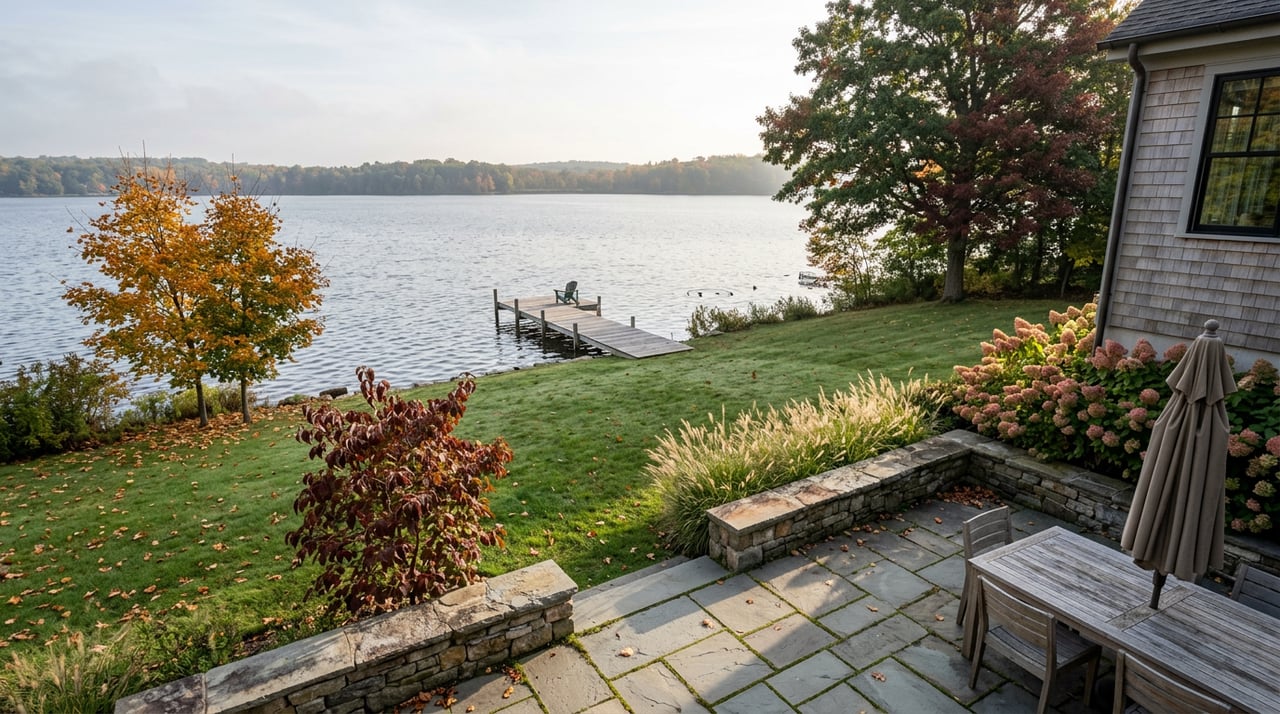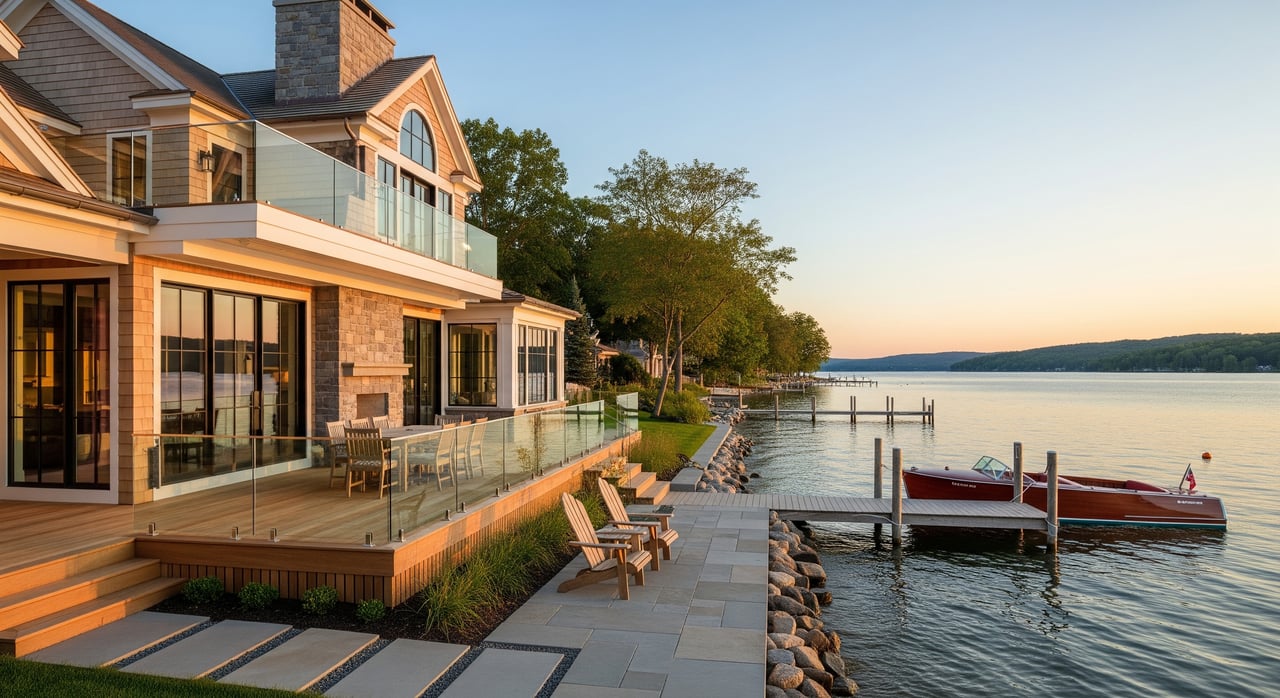
Picture this: calm water, a soft sunrise, and your coffee steaming on the dock while the lake is still. If you’ve been dreaming about that scene, Bemus Point can make it feel real. You want lake life that is lively in summer yet peaceful the rest of the year, with a village you can actually walk. In this guide, you’ll learn what owning a lake house in Bemus Point really looks like, from home styles and daily rhythms to maintenance, rules, and smart buying steps. Let’s dive in.
Bemus Point at a glance
Bemus Point is a compact village on Chautauqua Lake with a classic small-town main street, seasonal shops, and plenty of boating energy. You can expect a friendly mix of year-round residents and second-home owners who gather around the shoreline and the village core. Summer is social and active. The off-season slows down, which gives you space and quiet without losing essential services.
Walkability is a big draw. Many homes in and near the village core let you walk to restaurants, marinas, and seasonal music. Outlying streets are more residential and typically less walkable, so plan based on how you like to spend your days.
The homes you’ll find
Common property styles
- Older lake cottages and bungalows with cozy footprints and original details.
- Mid-century ranches and lake houses that have been updated for seasonal or year-round use.
- Historic and Victorian-era homes near the village with smaller lots and strong walkability.
- Newer or rebuilt “lake modern” homes that prioritize views and outdoor living.
- Limited condo and townhouse options near marinas or village amenities when inventory allows.
Lots and lake access
- True waterfront with a private dock. These are scarce and highly sought after.
- Inland or near-lake homes with water views and short walks or drives to marinas.
- Narrow lakeside lots are common. Expect stairs to the water, shoreline features, and possible bluff constraints.
What drives value
- Direct water access or a deeded dock, slip availability, and water depth.
- Lot size, view quality, and outdoor living spaces.
- Year-round utilities, heating system type, and road access with reliable parking.
- Updates to septic, shoreline protection, and overall maintenance history.
- Proximity to the village core, restaurants, and marina services.
Seasonal demand tends to spike in spring and summer. True waterfront is often limited. Older cottages that need work can offer opportunity if you are ready for renovations and due diligence.
A day in the life by season
Summer: peak lake living
Mornings often start quiet, with paddleboarding or early fishing before boat traffic builds. Midday, you might stroll into the village for lunch, then head out for a pontoon cruise or tubing run. Evenings bring sunsets and live music, with the shoreline and main street buzzing.
Fall: color and calm
As the crowds thin, you get crisp air and bright foliage for hiking and quiet boat rides. Many owners use fall for longer stays, weekend fires, and early winter prep. It’s a favorite season for reflection and slower routines.
Winter: slow, bright, and practical
Winter is serene, and you will either winterize or keep the home warm for periodic visits. Snow removal and heating are important to plan. Expect fewer open restaurants, but the tradeoff is deep quiet and a bright, snowy lake.
Spring: thaw and readiness
Spring means ice-out, dock work, and inspections. You’ll schedule service calls, refresh landscaping, and set your home up for summer. It is also when village life switches back on and friends start arriving for the season.
Walkability, boating, and access
Boating is central to life here. Private docks, marinas with seasonal slips, boat launches, and repair services are easy to access around the lake. You can enjoy powerboating, wake sports, pontoon cruising, kayaking, and paddleboarding.
If walkability matters most, focus on homes in or near the village core. If privacy and bigger views matter more, consider outlying areas and plan on a short drive to dining and services. For some buyers, a slip at a nearby marina is a smart alternative to a private dock.
Costs and upkeep to plan for
Owning on the water is rewarding, but it comes with steady care. Build a seasonal routine and a maintenance budget so the fun stays front and center.
- Dock and lift care. Installation, seasonal removal, and storage are typical. Inspect hardware, decking, and electrical.
- Shoreline and erosion. Bulkheads, riprap, or retaining walls can require permits and periodic upkeep.
- Septic and sewer. Many homes use septic systems. Plan for inspections, pump-outs, and updates as needed. Some properties in the village have municipal sewer.
- Water and utilities. Parts of the village have municipal water. Elsewhere you may see wells. Confirm heating fuel type, age of systems, and recent utility bills.
- Winterization and snow removal. Protect pipes, manage heating, and clear driveways and walkways.
- Weather and wear. Expect roofing, siding, and pest prevention to be part of your routine, especially if you are not on site year-round.
- Insurance and taxes. Waterfront policies can cost more and flood insurance may be recommended even outside mapped floodplains. Confirm property tax details with county records.
- Broadband and cell coverage. Speeds vary by address, which matters if you work remotely. Confirm providers before you buy.
Operating costs vary by property size, systems, and whether you rent short-term. Ask for maintenance histories and utility statements during due diligence.
Rules, permits, and lake health basics
- Docks and in-water work. Permits are commonly required. Confirm details with the village, county, and state agencies before you plan new structures or repairs.
- Boating rules. Expect speed zones and no-wake areas on Chautauqua Lake. Review local ordinances and safety requirements.
- Water quality. Freshwater lakes in this region can experience seasonal harmful algal blooms. Check recent advisories through county or state health sources.
- Invasive species. Zebra mussels and other species affect best practices. Clean, drain, and dry boats, and follow any inspection guidance.
- Shoreline management. Ask about recent projects, bulkhead condition, and any policies that affect lake levels.
- Short-term rentals. If rental income matters to you, research village and county rules on registration, safety, occupancy, and taxes before you buy.
- Safety and services. Verify proximity to police, fire, and medical services if you plan to use the home year-round.
Showing and inspection checklist
Use this quick list to stay organized when viewing lake homes in Bemus Point.
- Water access. Confirm deeded dock rights, private dock ownership, or reliable access to a marina slip.
- Shoreline condition. Inspect bulkheads, riprap, stairs, and any erosion concerns.
- Septic or sewer. Get the age, service records, and any inspection or pump-out documentation.
- Utilities. Confirm water source, heating system type, age, and recent utility bills. Check broadband and cell coverage.
- Structure and systems. Roof age, siding condition, windows, and HVAC performance.
- Flood and insurance. Ask your insurer for quotes early, and review any floodplain maps or recommendations.
- Winter readiness. Insulation, pipe protection, driveway access, and local snow services.
- Rules and permits. Ask about prior permits for docks or shoreline work and any open items with the village or county.
- Rental intent. If you plan to rent, confirm short-term rental rules and required registrations.
- Title and easements. Identify any shoreline or access easements that affect use.
Pros and cons of lake ownership here
Pros
- A true lakeside village experience with walkable dining and seasonal events.
- Strong boating culture with varied activities and easy marina access.
- Seasonal rhythm that balances lively summers with quiet off-season months.
- Mix of home styles, from vintage cottages to modern rebuilds.
Considerations
- Waterfront inventory is often limited and competitive in peak season.
- Ongoing maintenance for docks, shoreline, and weather exposure.
- Some properties rely on septic and may need updates or inspections.
- Seasonal services and dining options can be reduced in winter.
Is Bemus Point right for you?
Choose Bemus Point if you want a walkable lakeside village, quick access to the water, and a four-season pace that shifts with the calendar. It suits second-home buyers who want active summers and quiet off-season stays. It also works for investors who plan within local rental rules and for year-round owners who like small-village living with larger-town amenities a short drive away.
If your list includes a dock, a view, and a village coffee run, you will feel at home here. If you value privacy and space above all, you can find that too, then boat or drive into the action when you wish.
Ready to explore Bemus Point with a local who knows the shoreline, marinas, and neighborhoods by heart? Reach out to Hanna Briggs to walk through options, compare tradeoffs, and plan your next steps.
FAQs
Is Bemus Point truly walkable for daily needs?
- The village core is highly walkable to dining and seasonal shops. Outlying streets are more residential, so you will likely drive for groceries and some year-round services.
Do most Bemus Point homes have private docks?
- Many waterfront homes do, but not all. Some owners rent seasonal slips at nearby marinas or use public launches. Always confirm deeded rights or slip availability.
How busy is Chautauqua Lake in summer near Bemus Point?
- Summer is the peak season, with lively boat traffic and social dock life. Early mornings and evenings are calmer, and fall offers quieter boating.
What should I know about water quality and HABs?
- Freshwater lakes in the region can experience harmful algal blooms in season. Review recent advisories and water quality reports from county or state sources.
Can I short-term rent a Bemus Point lake house legally?
- Many lake communities have rules on registration, safety, occupancy, and taxes. Check village and county requirements before you buy if rental income is important.
What does winter ownership require in Bemus Point?
- Plan for snow removal, heating, and frozen-pipe protection. Some owners winterize, while others stay part-time. A caretaker or management plan can help.
What are the top items to verify before making an offer?
- Confirm water access and dock rights, septic or sewer status, shoreline condition, insurance quotes, broadband availability, and any local rental restrictions.